
Vigna parkeri
Vigna parkeri
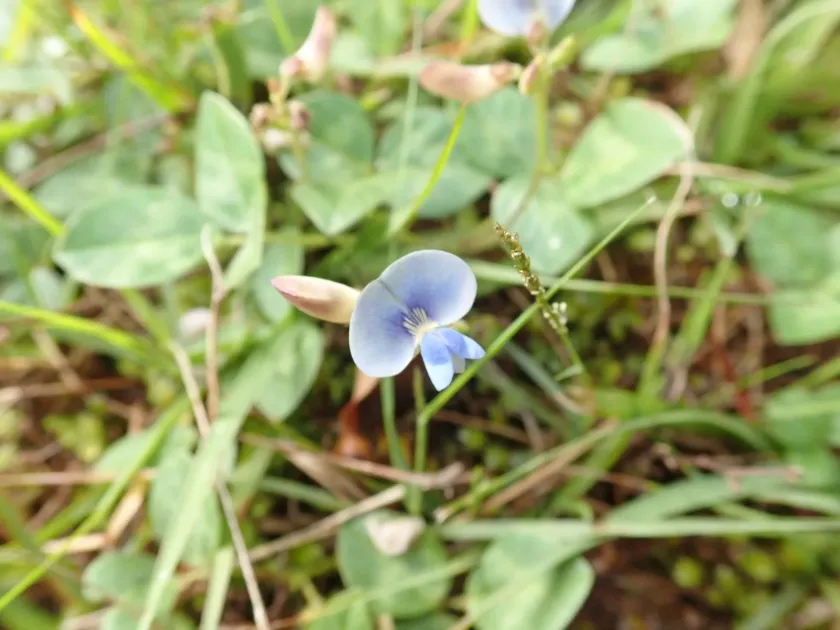
Description
Sowing dates
Vigna parkeri is a perennial herbaceous plant belonging to the Fabaceae family. In natural conditions, it reproduces through seeds, which exhibit high germination rates under favorable temperature conditions.
Sowing of this crop for agricultural purposes is carried out in the spring period when the soil warms up to 18-20°C. The optimal timing depends on the specific climatic zone, as the plant is extremely sensitive to frost.
The sowing depth is usually between 1 and 2 centimeters. When sowing in pastures, seeds are often broadcast onto prepared sod or mixed with other grasses to ensure proper soil contact.
To accelerate germination, seeds are sometimes scarified, as the hard coat of the legume can delay seedling development. It is essential to maintain substrate moisture during the first two weeks after sowing.
In regions with distinct rainy seasons, planting times are timed to coincide with the beginning of the season, allowing young growth to establish roots before peak temperatures or drought occur.
Growing requirements
This crop prefers regions with a humid tropical or subtropical climate. It successfully adapts to various soil types, including acidic and moderately fertile soils, making it valuable for reclaiming degraded land.
Vigna parkeri shows moderate tolerance to temporary waterlogging, but it does not thrive in waterlogged conditions on heavy clay soils. It prefers well-drained areas where the root system can develop without the risk of rotting.
The plant is photophilous but can tolerate partial shade, which allows it to be used in agroforestry systems. Under conditions of severe drought, the growth of the above-ground part slows down, but the root remains viable.
An important aspect of agronomy is the symbiosis with nodule bacteria. In new regions of cultivation, inoculation of seeds with specific rhizobia strains may be required for atmospheric nitrogen fixation.
Optimal soil pH levels for this crop range from 5.0 to 6.5. The application of phosphorus fertilizers significantly increases productivity and the density of the canopy.
Yield
As a forage crop, Vigna parkeri is primarily used for livestock grazing or the production of green biomass. It is prized for its high protein content, making it an excellent addition to the diet of ruminant animals.
Biomass yield strongly depends on grazing intensity and canopy density. With proper pasture management, the crop can recover after grazing thanks to its creeping stems that take root at the nodes.
Under intensive cultivation, multiple cuts are possible during the season. However, excessive grazing should be avoided as it depletes nutrient reserves in the rhizomes and reduces the longevity of the stand.
Seed yield can be limited due to the prolonged ripening period of the pods. This requires manual harvesting or specialized machinery to prevent losses due to pod shattering.
Overall productivity can reach significant levels in mixed swards, where Vigna parkeri acts as an understory layer, protecting the soil from erosion and enriching it with organic nitrogen.
Main diseases and pests
The main threats to plantations are fungal diseases that develop under conditions of high humidity and poor ventilation. Anthracnose and various leaf spot pathogens can reduce the photosynthetic leaf area.
Pests, such as weevils and various types of caterpillars, damage growth points and reproductive organs. Insects that attack the pods pose a special danger, which is critical for seed production.
Competition with aggressive weeds during the first year of life is a significant obstacle to forming a dense mat. Young seedlings develop slowly and can be smothered by fast-growing grasses.
To control diseases, it is recommended to follow crop rotation practices and prevent soil compaction. Chemical treatment is rarely used, as this is a forage crop intended for direct livestock grazing.
Biological control, including the use of resistant varieties and creating conditions for natural enemies of pests, is a priority direction in the protection of this crop.