
Blue vigna
Vigna caerulea
Description
Sowing dates
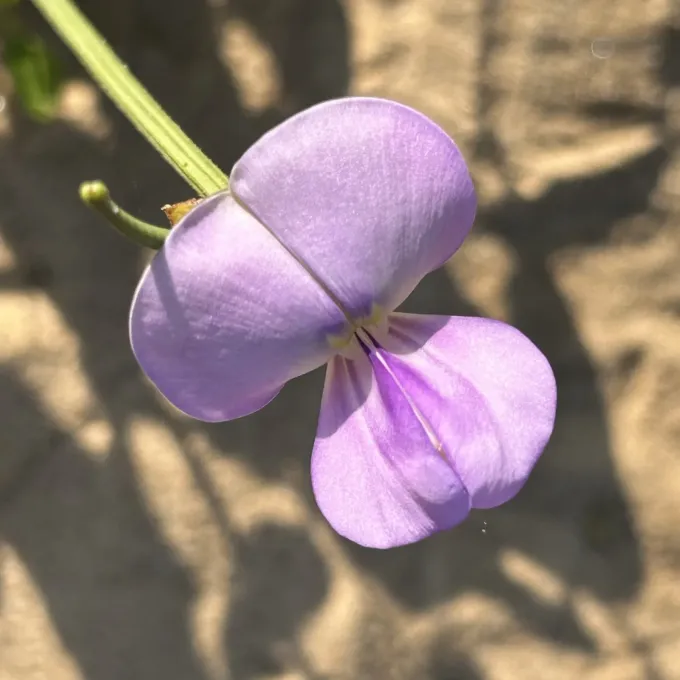
Vigna caerulea is a member of the Fabaceae family, commonly known as the legume family. It is a herbaceous plant native to various tropical regions, primarily documented in African ecosystems.
Sowing time is strictly determined by the local climate, as this crop requires significant warmth for germination and early development. The soil temperature should be consistently above 18-20 degrees Celsius.
Farmers usually perform direct seeding in prepared seedbeds during the transition to the wet season to utilize natural precipitation effectively for plant establishment.
The optimal planting depth is approximately 3 to 5 centimeters, ensuring seeds are covered adequately to maintain moisture contact while allowing for emergence without excessive soil resistance.
Efficient weed management is critical during the initial weeks of growth because the seedlings are not highly competitive against invasive herbaceous plants.
Growing requirements
The crop thrives in warm environments with abundant sunlight, as high solar radiation is necessary for vigorous photosynthesis and the production of nitrogen-fixing nodules.
Well-drained soils are essential to prevent waterlogging, which the root system of Vigna caerulea is highly sensitive to. Light, loamy soils with good aeration provide the best results.
While the plant shows resilience to moderate drought periods, consistent water supply during the flowering and pod-filling stages is critical for achieving marketable yields.
Nutrient management involves using balanced fertilizers, with an emphasis on potassium and phosphorus to support pod development and overall plant structure.
Soil pH should ideally be maintained in the range of 6.0 to 7.0, as extreme values can limit the availability of essential micronutrients required for healthy plant metabolism.
Main diseases and pests
Pathogenic fungi, particularly those causing powdery mildew and various leaf spot diseases, represent a significant threat in areas with high relative humidity and poor air circulation.
Insect pests, including aphids and bean beetles, can significantly reduce yield by damaging foliage or consuming developing seeds within the pods.
Integrated Pest Management (IPM) strategies, including crop rotation and the use of resistant varieties, are recommended to maintain plant health throughout the season.
Viral infections can also occur, often transmitted by sap-sucking insects, emphasizing the importance of vector control in surrounding agricultural landscapes.
Continuous monitoring of the crop canopy is vital for early detection of potential threats, allowing for prompt intervention before damage reaches economic thresholds.