
Narrow-leaf vigna
Vigna angustifoliolata
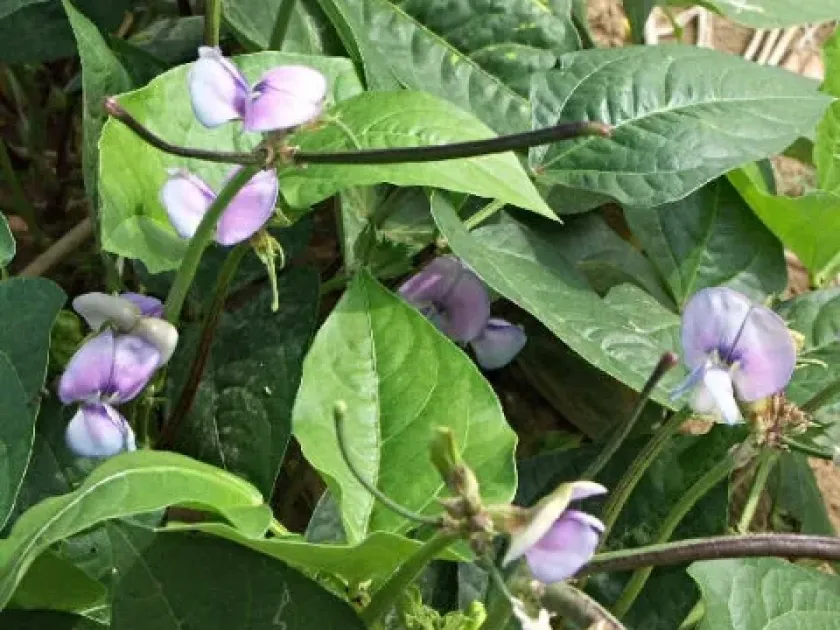
Description
Sowing dates
Narrow-leaf vigna is a heat-loving crop, so sowing is carried out only after the soil at a depth of 10 cm has warmed up to 15-18 degrees Celsius. Optimal timing for most regions is late spring or early summer, when the risk of late frosts is completely excluded.
For high-quality seed germination and active early development, it is necessary to choose plots with good sunlight. Overcrowding is unacceptable, as it leads to reduced aeration and the development of fungal infections in the lower parts of the stems.
Sowing depth depends on the soil texture and moisture level at the time of planting. Usually, seeds are placed at a depth of 3–5 cm, ensuring close contact with the moist soil layer for uniform emergence.
Crop rotation is a mandatory condition for successful cultivation. The best predecessors for Vigna are cereal crops or maize, which leave the field relatively free of weeds.
Soil preparation includes deep autumn plowing and early spring harrowing to conserve moisture. Sowing is performed using row or wide-row methods, depending on whether the plant is grown for grain or green manure.
Growing requirements
The plant belongs to the Fabaceae family and shows high resistance to dry conditions, but it achieves maximum productivity with moderate moisture during the flowering phase. Unlike many relatives, this species is better adapted to specific microclimatic niches.
The crop prefers light, well-drained sandy loam or loam soils with a neutral or slightly acidic reaction. In heavy clay soils with waterlogging, root system development slows down significantly.
Soil fertility requirements are moderate, as Vigna, like other legumes, can fix nitrogen from the air using nodule bacteria. However, in poor soils, the application of small doses of phosphorus-potassium fertilizers significantly increases yield.
Temperature must remain consistently high during the growth period. If the temperature drops below 10 degrees, plant vegetation almost stops, making the crop unsuitable for cultivation in northern latitudes.
The plant possesses a well-developed root system, allowing it to efficiently use moisture from deep soil layers. This makes the crop promising for cultivation in regions with risky farming practices and frequent droughts.
Yield
The yield of Vigna angustifoliolata directly depends on the level of agronomy and weather conditions during the bean filling stage. Following all recommendations can result in a stable volume of grain or high-quality green fodder.
To increase marketable output, it is recommended to apply micronutrient fertilizers, specifically molybdenum, which is essential for the activity of nitrogen-fixing bacteria. This has a positive effect on seed weight and nutritional value.
Economic use of the crop includes both food and forage purposes. The agricultural sector values the high protein content of the seeds, which allows them to be used in balanced feed mixtures for livestock.
The green mass of the crop is characterized by high digestibility and can be used for hay or silage production. It is rich in vitamins and minerals, making it a valuable component of animal nutrition rations.
The biological potential of yield can only be realized by minimizing stress factors. Damage to vegetative mass by pests or excessive weed infestation can lead to a loss of up to 30-40% of the yield.
Main diseases and pests
Typical diseases for this species include Fusarium wilt and anthracnose, which become active in conditions of high humidity. Control is based on seed treatment before sowing and maintaining proper irrigation regimes.
Among pests, various types of aphids and weevils pose the greatest danger, damaging both seedlings and reproductive organs. To control their numbers, both agronomic methods and modern insecticides are used.
Bacterioses can affect leaves and beans during prolonged rains, reducing the market quality of the produce. It is recommended to use disease-resistant varieties and monitor the cleanliness of planting material.
To prevent the spread of pests, it is critically important to destroy weeds in a timely manner, as they often serve as a reservoir for insects. The field must be kept clean at all stages of vegetation.
- Fusarium (root rots)
- Bean anthracnose
- Aphids (various species)
- Bean weevils
Harvesting
Harvesting for grain is carried out when the pods reach full maturity, characterized by a specific color and hard seeds. It is important not to delay harvesting to prevent pod shattering and crop losses.
When used for green mass, mowing is carried out at the beginning of the flowering phase. During this period, the plant contains the maximum amount of nutrients and easily digestible proteins for animals.
Mechanized harvesting requires setting combine harvesters to lower drum speeds to minimize seed cracking. The cutting height should meet the technical requirements of the specific agricultural machinery.
Post-harvest processing includes drying the grain to a moisture content of 12-14%. This is necessary to ensure long-term storage without the risk of mold development or self-heating of produce in warehouses.
Thorough cleaning of seeds from impurities and plant residues immediately after threshing significantly improves the shelf life of the commodity batch. Storage should be carried out in dry, ventilated areas with protection against stored product pests.