
Vigna juruana
Vigna juruana
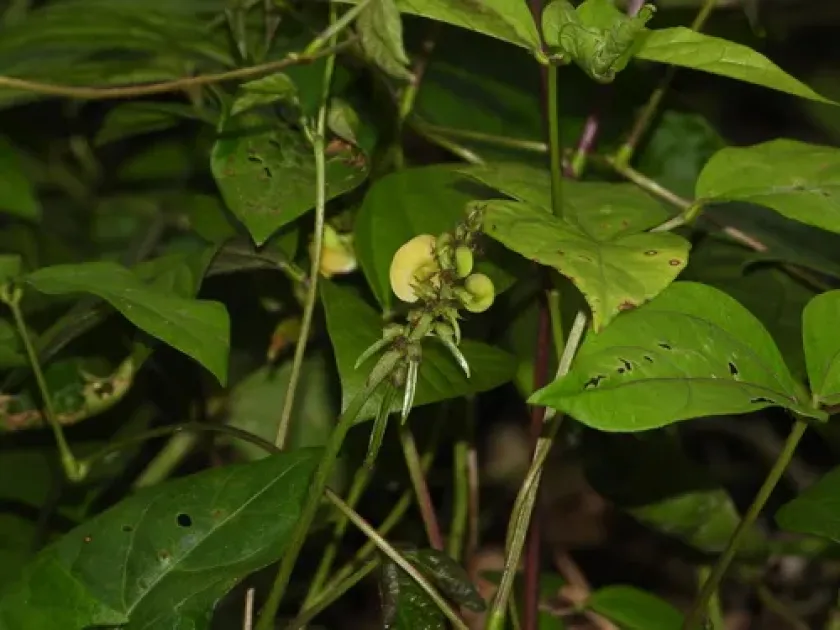
Description
Sowing dates
Vigna juruana is a member of the Fabaceae family that requires warm conditions for optimal seed germination and subsequent seedling development.
Sowing should only occur when soil temperatures have stabilized well above the threshold required for metabolic activation of the legume seeds.
Precision planting is essential to ensure that each plant receives adequate space, reducing resource competition for nutrients and solar radiation.
During the early establishment phase, protection against cold winds is beneficial to maintain the microclimate necessary for rapid growth.
Depending on the region, planting depths are adjusted based on soil texture to optimize the time between emergence and the first leaf development.
Growing requirements
This crop thrives in tropical and subtropical climates, demonstrating a strong preference for high light intensity throughout its growth cycle.
Well-drained soils are critical for this species, as stagnant water promotes root diseases and inhibits the symbiotic nitrogen fixation process.
The plant demonstrates moderate drought tolerance but requires supplemental irrigation during the critical flowering and pod-filling stages.
Soil pH levels should ideally be maintained within a neutral range to ensure the bioavailability of essential macro and micronutrients for the plant.
The inclusion of organic matter in the soil profile supports robust plant vigor and enhances the water-holding capacity of the growing medium.
Yield
The potential yield of Vigna juruana depends heavily on local climatic consistency and the efficiency of the nitrogen-fixing bacteria in the root system.
Under favorable conditions, the plant produces abundant pods, which contribute significantly to the total biomass and seed output per hectare.
Managing the plant density is a key agronomic factor that influences the harvestable yield and the uniformity of maturity across the field.
Regular monitoring of plant health ensures that potential nutrient deficiencies are corrected before they cause significant yield suppression.
Yield components are maximized through targeted nutrient application programs that focus on supporting fruit set and grain development.
Harvesting
Harvesting is typically timed when pods reach physiological maturity, characterized by a change in texture and moisture content reduction.
Mechanical harvesting requires careful calibration of equipment to minimize seed damage while ensuring efficient recovery of the crop from the field.
Post-harvest handling involves drying the seeds to a moisture level that ensures stability during storage and prevents fungal spoilage.
Proper cleaning and sorting procedures are implemented to maintain the quality of the harvested produce for market distribution.
Timing is critical to prevent pod shattering, a common trait in many Vigna species that can lead to significant field losses if harvesting is delayed.