
Vigna vexillata
Vigna vexillata
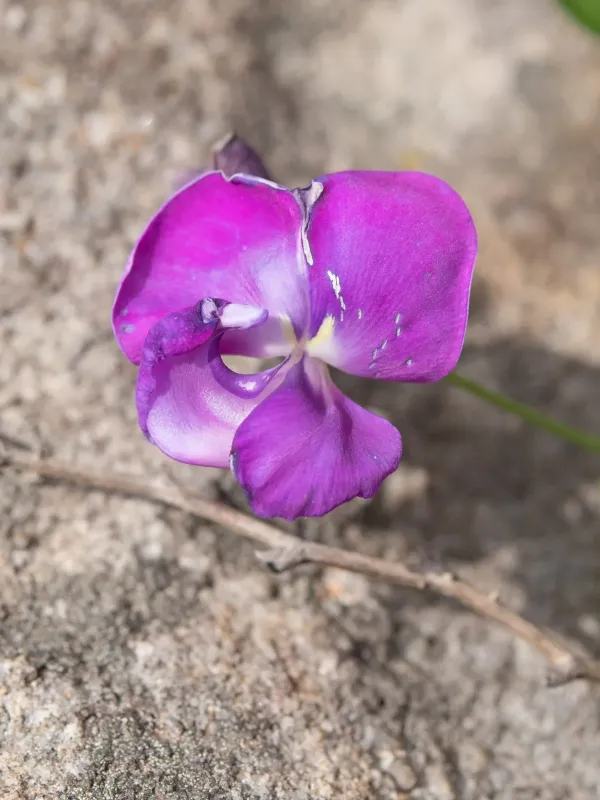
Description
Sowing dates
Sowing Vigna vexillata requires warm soil temperatures, as the plant is highly sensitive to cold conditions. Planting typically commences when soil temperatures consistently reach 18–20°C.
In tropical environments, seeds are usually sown at the onset of the rainy season, which provides the necessary moisture for rapid establishment and germination.
Seeds should be planted at a depth of 3–5 cm. Consistent moisture levels during the germination phase are critical to ensure uniform emergence across the field.
Plant density varies according to the intended use; higher populations are generally established for forage production, while lower densities are used for tuber cultivation.
The crop exhibits strong initial growth vigor, allowing it to establish itself quickly and effectively suppress early weed competition if sown at proper intervals.
Growing requirements
Vigna vexillata is a perennial herbaceous plant belonging to the Fabaceae family, widely recognized for its ability to produce edible tubers. It is a highly adaptable species that thrives in diverse soil types.
The plant prefers sunny locations with well-drained soil. It is particularly noted for its tolerance to acidic soils and aluminum toxicity, making it ideal for reclaiming marginal lands.
As a climbing legume, the plant requires support structures, such as trellises or companion crops, to achieve its full potential and prevent stem lodging.
While relatively drought-tolerant, the crop responds positively to consistent soil moisture during the active growth and tuber-bulking phases.
Proper nutrient management, especially with phosphorus and potassium, is essential to maximize root development and improve the nutritional quality of the tubers.
Yield
The yield of Vigna vexillata is multifaceted, encompassing both the production of starch-rich tubers and high-quality proteinaceous foliage for livestock feed.
Tubers are rich in both protein and carbohydrates, providing a significant nutritional benefit compared to other common tuberous crops found in similar agro-ecological zones.
Foliage productivity is high, and the plant supports multiple cuttings within a single growing season without compromising its long-term health or tuber formation.
Yield potential is highly dependent on the chosen variety and environmental conditions, but optimized management can lead to competitive yields in various soil conditions.
Systematic harvests of the leafy biomass can be balanced with the final tuber harvest to ensure maximum utility of all parts of the plant throughout its life cycle.
Main diseases and pests
Common threats to Vigna vexillata include various fungal pathogens like anthracnose and leaf spots, which often proliferate in warm, humid climates with poor air circulation.
Pest pressure from aphids and bean weevils can significantly impact both the vegetative growth and seed storage viability if left unmanaged.
Effective pest management relies on a combination of cultural practices, including crop rotation and the removal of alternative host plants near the field.
Biological control agents can be utilized to manage insect populations, reducing the need for chemical interventions and preserving the beneficial soil microbiome.
Maintaining high hygiene standards in the field, including the removal of infected debris after harvest, is crucial to preventing the buildup of pathogens in subsequent seasons.
Harvesting
Tuber harvesting is performed after the senescence of the aerial parts, usually when the leaves turn yellow and the stems begin to wither at the end of the season.
Mechanized or manual excavation must be performed with care to minimize physical damage to the tubers, which preserves their quality and storage shelf-life.
Forage harvest is conducted during the flowering stage, which ensures the best balance between biomass quantity and the nutritional protein content of the foliage.
Post-harvest handling of tubers requires shade drying in well-ventilated conditions to reduce moisture levels, which prevents rot and fungal contamination during storage.
Seeds intended for future planting should be harvested from the most vigorous plants, cleaned, dried thoroughly, and stored in cool, dry conditions to maintain viability.