
Vigna oblongifolia
Vigna oblongifolia
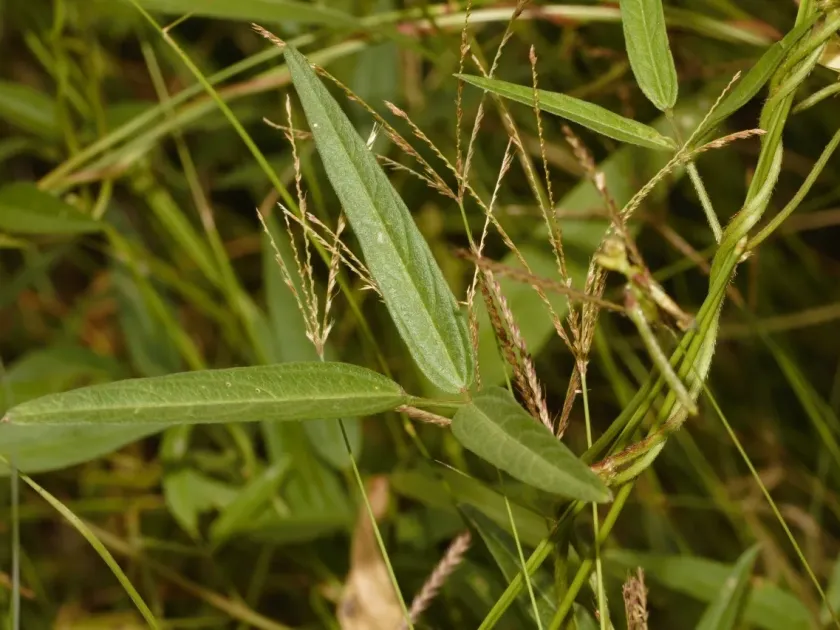
Description
Sowing dates
Vigna oblongifolia is a thermophilic legume crop that requires warm soil conditions for successful germination. Sowing should only take place once soil temperatures consistently reach at least 15–18°C, typically in late spring or early summer to avoid cold-related damage.
The recommended planting method is wide-row spacing, which allows for optimal plant distribution, improved air circulation within the canopy, and more efficient management of weeds during the early developmental stages of the crop.
Seeds are generally sown at a depth of 3 to 5 centimeters. In drier soil conditions, slightly deeper planting is advised to ensure the seeds have sufficient contact with soil moisture, which is critical for uniform germination across the field.
Early sowing is strictly avoided as this species is highly sensitive to frost. Selecting a site with full sun exposure and protection from harsh winds will significantly accelerate the growth rate and overall vigor of the young seedlings.
Quality seed preparation, including treatment with appropriate biological or chemical agents, is essential for high germination energy. Uniform plant stands are the foundation of a successful harvest, ensuring that competition for resources is minimized from the start.
Growing requirements
Belonging to the Fabaceae family, Vigna oblongifolia is highly adaptable to a variety of soil types, including sandy and loamy textures. It is valued for its ability to thrive in nutrient-poor soils due to its symbiotic relationship with nitrogen-fixing bacteria.
The primary environmental requirements include ample sunlight and warmth. The crop performs poorly in cold, damp conditions, which can lead to root system decay and significantly reduced yields if the soil drainage is inadequate.
While the plant shows moderate drought tolerance, consistent moisture is required during critical growth phases, specifically during flowering and pod development. Adequate water management is key to maintaining high productivity throughout the growing season.
Soil pH levels ranging from slightly acidic to neutral are ideal for Vigna species. In cases of highly acidic soil, liming is recommended to improve nutrient availability and support the activity of rhizobia bacteria, which provide the plant with atmospheric nitrogen.
Agrotechnical practices should focus on weed control, especially during the initial stages of vegetative growth. Regular inter-row cultivation improves soil aeration, which promotes healthy root development and efficient nutrient uptake for the crop.
Main diseases and pests
Vigna oblongifolia is susceptible to various fungal diseases, such as anthracnose and powdery mildew, which thrive in humid climates. Implementing a strict crop rotation schedule is the primary defense against the buildup of these pathogens in the soil.
Root rot remains a major threat, particularly in poorly drained fields. Prophylactic measures, such as selecting high-quality seeds and avoiding waterlogging, are essential to keep the crop healthy and prevent total yield loss during the season.
Pests like aphids and spider mites can severely impact foliage health by extracting sap and spreading viral diseases. These infestations can significantly decrease photosynthetic efficiency, leading to stunted plants and lower pod counts if left unmanaged.
The cowpea weevil poses a significant challenge, especially for stored grain quality. Post-harvest treatment and proper drying of the seeds are necessary to protect the harvested produce from insect damage and maintain its long-term viability.
Effective pest management involves a combination of monitoring, selecting resistant varieties, and the judicious use of pesticides when necessary. Maintaining field hygiene by removing crop residues also helps break the life cycles of common pests and diseases.