
Vigna lancifolia
Vigna lancifolia
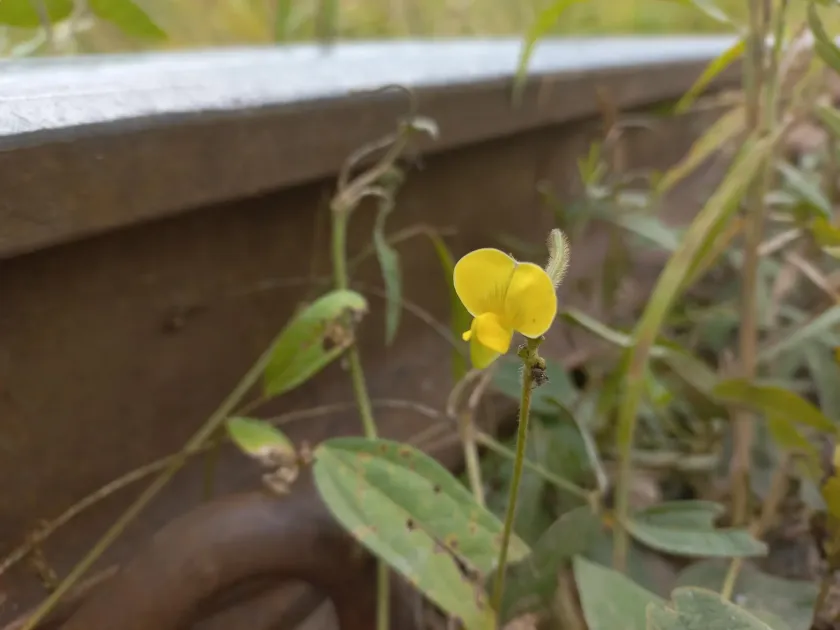
Description
Growing requirements
Vigna lancifolia, a member of the Fabaceae family, is a versatile crop species recognized for its unique adaptation to tropical and subtropical ecosystems. The plant is botanically identified by its distinct lanceolate leaves, which play a crucial role in its efficient metabolic processes and development.
The cultivation of Vigna lancifolia requires specific climatic conditions, primarily warmth and stable humidity levels. It performs best in regions where temperatures remain consistently within the 20-30 degree Celsius range throughout the active growth phase.
Soil quality is a critical factor for successful production; well-drained, fertile soil is preferred to prevent root rot and ensure optimal nutrient uptake. The plant’s ability to fix atmospheric nitrogen is a significant benefit for long-term soil health and sustainable agricultural practices.
Regular irrigation is essential, especially during the flowering stage, to support robust pod development. Despite this, the crop shows a moderate level of tolerance to short-term dry spells once it is firmly established in the field.
In terms of agricultural utility, Vigna lancifolia is often utilized as a forage crop or as a green manure component. Its high nutritional profile makes it a viable candidate for enhancing livestock feed quality while improving soil fertility simultaneously.
Main diseases and pests
The primary threats to Vigna lancifolia crops include various fungal pathogens such as rust and anthracnose. These diseases are most prevalent in high-humidity environments, requiring consistent monitoring and preventative fungicide application.
Pest pressure from aphids and spider mites can significantly reduce plant vigor if left unmanaged. Integrated pest management strategies are highly recommended to balance the use of biological controls and selective chemical interventions.
Root-knot nematodes pose a hidden threat, specifically affecting the root system and reducing the plant’s efficiency in nutrient uptake. Crop rotation with non-host species is an effective cultural practice to mitigate nematode buildup in the soil.
Storage pests can cause substantial post-harvest losses, particularly when seeds are not dried to appropriate moisture levels. Ensuring proper storage conditions, including cool and dry environments, is vital for long-term seed viability.
Vigilant field scouting during the early vegetative stages allows for the detection of potential threats before they escalate into widespread outbreaks, ensuring a healthier and more productive harvest.