
Vigna membranacea
Vigna membranacea
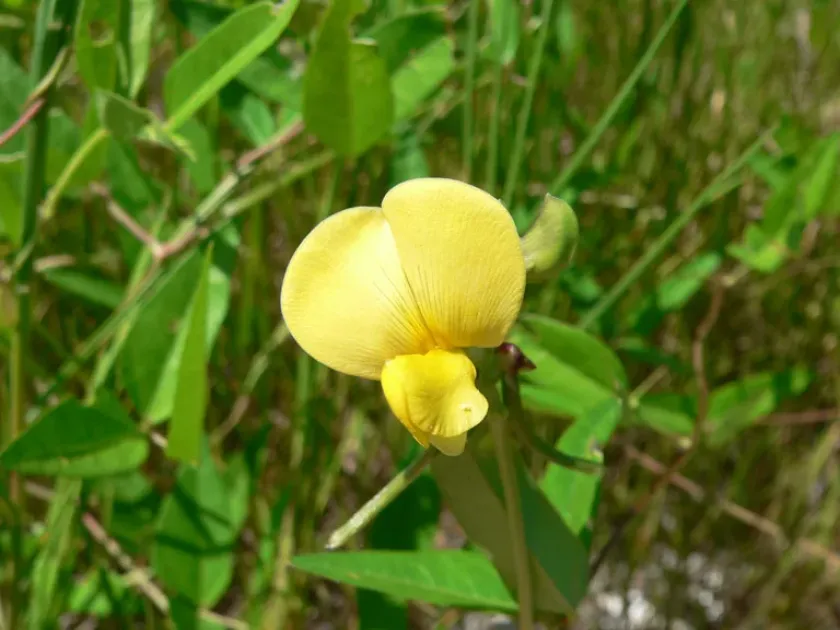
Description
Sowing dates
Sowing Vigna membranacea requires soil temperatures of at least 20 degrees Celsius for optimal germination. As a warm-season legume, it thrives when the risk of frost has completely passed.
The seeds should be planted at a depth of 3 to 5 centimeters, ensuring good soil-to-seed contact for moisture absorption. Soil moisture levels must be monitored carefully during the first two weeks of establishment.
Inoculation with appropriate rhizobial strains is highly recommended to maximize nitrogen fixation efficiency. This practice is essential for obtaining healthy crops in nutrient-poor environments.
Spacing should be adjusted according to the intended use. For forage production, denser sowing is preferred, while for seed harvesting, wider row spacing is ideal to allow proper aeration and light penetration.
Growth speed is relatively high under favorable conditions. Early weed control is crucial, as the crop needs to establish its canopy to effectively compete with invasive plant species.
Growing requirements
Vigna membranacea is a robust member of the Fabaceae family, adapted to diverse tropical and subtropical environments. It is highly valued for its tolerance to heat and seasonal moisture variability.
The plant grows well in various soil types, ranging from sandy loams to heavier clays, provided there is good drainage. It is notoriously sensitive to waterlogged conditions, which can inhibit root activity.
Full sun exposure is mandatory for Vigna membranacea to achieve its full potential. The plant utilizes solar energy efficiently, driving the rapid biomass accumulation characteristic of this species.
As a legume, its primary agronomic value lies in its symbiotic relationship with nitrogen-fixing bacteria. This helps improve the soil structure and nutrient profile, benefiting subsequent cereal or vegetable crops.
It acts as an effective soil stabilizer in arid regions. By developing a deep root system, the plant prevents erosion and helps maintain soil humidity during dry spells.
Main diseases and pests
Root rot caused by fungal pathogens remains a major threat, particularly in poorly drained soils. Managing irrigation frequency is the most effective cultural practice to mitigate these risks.
Aphids and various species of leaf-chewing insects can significantly reduce leaf area and plant vigor. Biological control agents are often used in integrated pest management programs for this crop.
Leaf spot diseases, favored by high humidity and stagnant air, can affect yield during rainy seasons. Proper row spacing and thinning are vital strategies to ensure good canopy ventilation.
Soil-borne nematodes can become a chronic problem if proper crop rotation is neglected. Rotating with non-host crops is a mandatory practice for sustainable long-term production.
Storage of harvested seeds requires strict control over moisture content to prevent damage from bruchid beetles. Keeping seeds in cool, dry conditions is essential for maintaining germination viability.