
Vigna lanceolata
Vigna lanceolata
Description
Growing requirements
Vigna lanceolata, commonly known as the pencil yam, is a perennial herbaceous plant belonging to the Fabaceae family. Native to Australia, it is historically significant as a staple food source for Indigenous Australians due to its edible tuberous roots.
This species naturally thrives in a variety of habitats, including riparian zones, floodplains, and open woodlands. Its adaptability to wet conditions and periods of inundation makes it a unique representative of the genus Vigna.
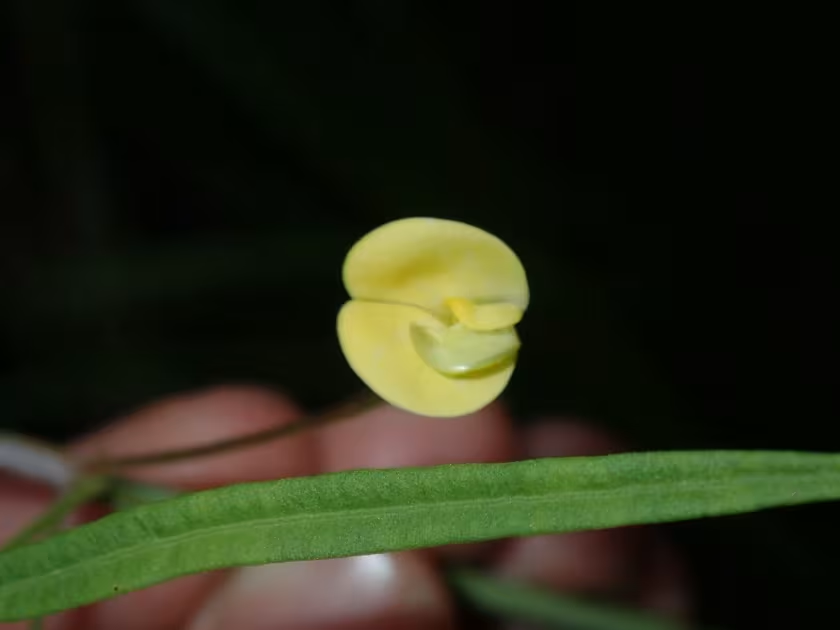
Botanically, the plant is characterized by its slender, twining stems and lanceolate leaflets, which give it a distinct appearance. The plant develops starchy tubers that function as underground storage organs, ensuring survival through harsh dry seasons.
Regarding environmental needs, the plant prefers warm, tropical, or subtropical climates with consistent moisture. It performs best in well-drained soils, ideally sandy loams, which allow the tubers to develop and expand without resistance.
Light requirements are high, as the plant needs full sun to partial shade to maintain vigorous growth. It is highly sensitive to frost, which can severely damage the tender above-ground stems and significantly reduce overall yields.
Harvesting
The primary agricultural use of Vigna lanceolata is its roots, which are harvested for consumption. They are known for having a pleasant, nutty flavor and a texture somewhat similar to sweet potatoes when cooked or roasted.
Harvesting is typically performed by carefully excavating the soil around the base of the plant once the foliage starts to senescence. This ensures that the energy storage in the roots is at its maximum peak before the dormant phase.
In addition to the roots, the young pods of the plant are edible and are often prepared similarly to green beans. It is crucial to harvest these before the seeds inside become fully developed and the pod tissues turn fibrous.
Post-harvest handling should involve gentle washing to remove dirt and storage in a cool, humid environment to maintain the quality of the tubers. They do not have a long shelf life when exposed to low humidity, so immediate processing is recommended.
Research into the domestication of this crop continues, aiming to improve tuber size and uniformity for agricultural production. It remains a fascinating example of underutilized edible legumes with potential for future development.