
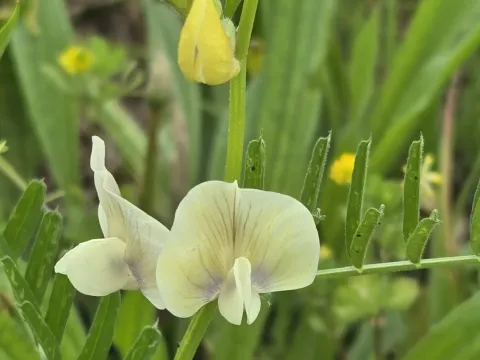
Vicia grandiflora
Vicia grandiflora
Vicia grandiflora, commonly known as largeflower vetch, is a legume species belonging to the Fabaceae family, valued for its vigorous growth and high protein content.
What the section contains
Vicia grandiflora
Sowing typically takes place in early spring, allowing the plant to establish its root system before the onset of high summer temperatures.
The crop is often established using standard grain drills, ensuring uniform seed placement at a depth of 3–5 cm for optimal germination.
Seed density is a critical factor, with recommendations generally ranging from 60 to 100 kg per hectare, depending on local soil quality and site conditions.
Proper inoculation of seeds with specific rhizobia bacteria is highly recommended to maximize the plant's natural nitrogen-fixing capabilities.
This species is highly adaptable, though it performs best in well-drained, fertile loamy soils that offer consistent moisture throughout the growing season.
Largeflower vetch shows good tolerance to a range of pH levels but prefers slightly acidic to neutral soil environments for optimal nutrient uptake.
Climate-wise, the plant is hardy and thrives in temperate regions, demonstrating significant resilience to seasonal weather variations.
Adequate phosphorus and potassium fertilization can greatly enhance biomass production and support the development of healthy, dense forage stands.
Field preparation should aim to create a clean, weed-free seedbed to allow the seedlings to establish themselves without competition during the early growth stages.
Under favorable conditions, Vicia grandiflora provides substantial yields of high-quality forage, making it an excellent candidate for pasture improvement or hay production.
Average biomass production typically ranges from 15 to 25 tons per hectare, depending on the cutting schedule and fertility levels of the soil.
The nutritional profile of the plant is rich in digestible proteins, which significantly benefits livestock nutrition when integrated into feeding programs.
Seed yield, while secondary to forage, can be substantial if managed correctly, generally ranging between 0.8 and 1.5 tons per hectare.
The crop serves as an effective green manure, contributing significant nitrogen and organic matter to the soil, which benefits subsequent agricultural rotations.
Common pests include aphids and various types of weevils that can target the foliage and developing seeds, potentially reducing total plant vigor.
Pathogenic threats such as powdery mildew and various leaf spot diseases are more prevalent in overly humid or poorly ventilated stand conditions.
Integrated pest management strategies, including the use of certified, clean seeds and crop rotation, are essential for maintaining field health.
Monitoring pest populations is vital during the critical growth phases, with appropriate chemical or biological interventions applied only when necessary.
Proper field hygiene and minimizing moisture stress help prevent the spread of soil-borne pathogens and fungal infections across the crop area.
The optimal time for harvesting as green fodder is during the early flowering stage, as this provides the best balance of biomass and nutrient density.
When harvesting for hay, rapid drying in the swath is crucial to retain the leafy portion of the plant and prevent the loss of essential vitamins.
Seed harvest requires careful timing and equipment settings to minimize losses caused by pod shattering and grain damage during the threshing process.
Harvested seeds must be dried to a moisture content of 12–14% to ensure safe storage and prevent the loss of viability over the winter period.
Following harvest, crop residues are often incorporated into the soil, providing a valuable source of nutrients for the next cycle in the field rotation.