
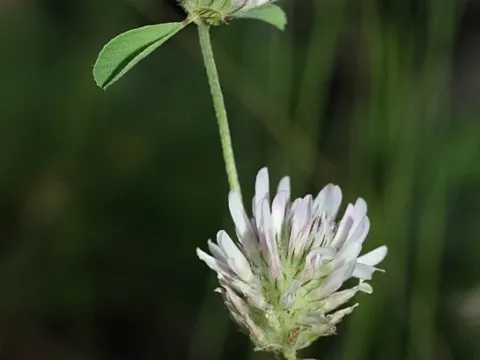
Hairy-winged clover
Trifolium trichopterum
Hairy-winged clover (Trifolium trichopterum) belongs to the Fabaceae family. It is a distinctive herbaceous plant species primarily adapted to specific ecological niches within the Mediterranean basin.
What the section contains
Hairy-winged clover
The plant exhibits unique botanical features such as densely pubescent foliage, which serves as an adaptation to minimize transpiration in arid or rocky environments where it naturally thrives.
Regarding its geographical distribution, the species is found in localized regions, thriving in mountain slopes and meadows where the climate supports seasonal vegetative growth.
Agricultural requirements include well-drained, neutral to slightly alkaline soils. It is not suitable for waterlogged areas, as root respiration is essential for its symbiotic nitrogen-fixing activity.
In terms of agricultural utility, it serves as a reliable forage source for livestock and a soil improver. By fixing atmospheric nitrogen, it plays a vital role in restoring soil health in pasture ecosystems.
Common plant diseases affecting this species include powdery mildew and anthracnose, which typically appear under conditions of high relative humidity and poor air circulation.
Insect pests such as clover root weevils and aphids represent the primary threat to stand density and overall biomass productivity during the peak growing season.
Integrated pest management strategies should focus on crop rotation and the selection of disease-resistant varieties to maintain the health of the forage stands.
Good agricultural practices, including proper drainage and balanced fertilization, significantly reduce the incidence of soil-borne pathogens and root rots.
Monitoring the field during the early stages of development is crucial to prevent pest outbreaks that could compromise the long-term viability of the clover crop.