
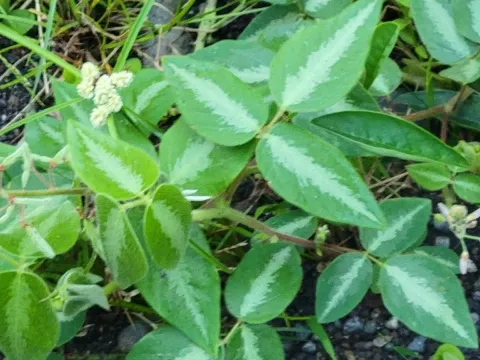
Hawaiian tick-trefoil
Desmodium sandwicense
Hawaiian tick-trefoil (Desmodium sandwicense) belongs to the Fabaceae family and is recognized as a valuable perennial legume in tropical and subtropical agriculture. It is widely valued for its ability to thrive in various pasture ecosystems.
What the section contains
Hawaiian tick-trefoil
The ideal planting time for this crop is at the onset of the rainy season to ensure sufficient soil moisture for successful germination. Proper timing allows the plants to establish a robust root system before the onset of any potential dry spells.
The seeds of Desmodium sandwicense possess a hard seed coat, making mechanical or chemical scarification necessary to improve germination rates. Shallow planting depth is crucial; placing seeds at about 1 to 2 centimeters deep helps prevent energy depletion during seedling emergence.
Inoculation with compatible Rhizobium strains is highly recommended during the sowing process. This practice significantly enhances the plant's nitrogen-fixing capabilities, which is vital for vigorous growth in nitrogen-poor soils.
Seeding rates can vary based on the intended purpose, whether for improving an existing pasture or establishing a pure stand. Broadcast seeding is often utilized, followed by light harrowing to cover the seeds appropriately.
This crop prefers well-drained soil types and adapts well to a wide range of soil textures, including loams and clays. While it can handle slight acidity, it performs best in neutral to slightly acidic conditions, avoiding areas with prolonged waterlogging.
Hawaiian tick-trefoil requires significant exposure to direct sunlight. Heavy shading from overhead tree canopies or tall shrubs can severely limit its growth and reduce the nutritional density of its foliage.
The species is sensitive to low temperatures and does not tolerate frost, which restricts its viable cultivation area primarily to the tropics and warm subtropics. Stable, warm temperatures throughout the growing cycle are essential for optimal biomass production.
Adequate levels of phosphorus and potassium are necessary to support the plant's metabolic functions and nitrogen-fixing efficiency. Regular soil testing and balanced fertilization help maintain the productivity and longevity of the forage stand.
One of its notable traits is its resilience during periods of low rainfall. Once established, it maintains green foliage longer than many other forage legumes, making it a reliable feed source during semi-dry environmental conditions.
The primary use of Desmodium sandwicense is as a high-protein forage component in grazing systems. Its high digestibility and protein content make it an excellent feed for cattle, sheep, and other ruminants, leading to improved weight gain.
Due to its growth habit, it functions as an effective ground cover, significantly reducing soil erosion on sloped pastures. It also contributes to soil enrichment by fixing atmospheric nitrogen, which benefits surrounding grasses.
It can be harvested for hay, although care must be taken during drying to prevent the loss of leaves, which are the most nutrient-dense part of the plant. Mechanical handling should be gentle to ensure high-quality feed for long-term storage.
Integrating this legume into pastures can improve the overall diversity and resilience of the ecosystem. Its ability to regrow after grazing cycles makes it a sustainable option for farmers looking to increase pasture productivity.
Yield potentials are quite high under managed conditions with proper rotational grazing. Sustainable utilization ensures that the plant remains a dominant and productive part of the pasture for many years, providing consistent value to the agricultural operation.
The crop is susceptible to several insect pests that target leaves and reproductive structures. Monitoring for leaf-feeding larvae and beetles is important to prevent significant biomass loss during the peak growing season.
Fungal diseases, such as leaf spot and anthracnose, can thrive in humid conditions, potentially impacting plant health. Utilizing resistant cultivars and ensuring proper spacing between plants are effective strategies for managing these outbreaks.
Soil-borne pathogens and nematodes can cause root damage, leading to stunted growth and reduced nitrogen-fixing capacity. Crop rotation and maintaining overall soil health are essential practices to minimize the impact of these threats.
Overgrazing poses the greatest risk to the persistence of Desmodium sandwicense in a pasture. Frequent, close grazing prevents the plant from replenishing its carbohydrate reserves, leading to stand decline and invasion by weeds.
Implementing integrated pest management practices, including scouting and proper grazing management, allows for a balanced approach to maintaining a healthy crop while minimizing the reliance on intensive chemical interventions.
Harvesting for hay is ideally performed during the initial flowering stage to capture the best balance between biomass volume and nutritional quality. Cutting should be performed high enough to allow the plant to regenerate quickly.
In pasture settings, rotational grazing is the most recommended harvest method. By allowing the plants a recovery period between grazing events, the crop maintains its vigor and long-term viability within the pasture mixture.
Seed collection is challenging due to the uneven ripening of pods on the plant. Farmers often rely on multiple passes or manual collection techniques to maximize the quantity and quality of the harvested seed for subsequent plantings.
Post-harvest handling of seeds includes thorough drying and storage in cool, dry conditions. This prevents mold and pest damage, ensuring high viability and successful germination in the following planting season.
Effective harvest management is the cornerstone of sustainable forage production. By adhering to recommended grazing and cutting schedules, agricultural producers can significantly extend the productive lifespan of their Hawaiian tick-trefoil stands.