
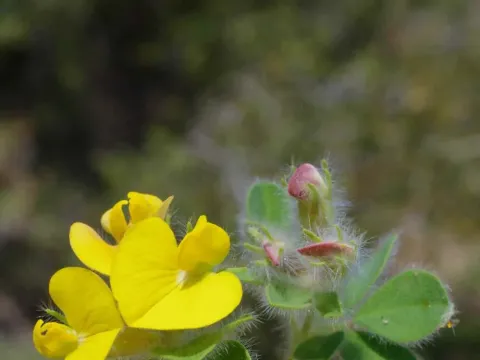
Hammatolobium
Hammatolobium
Hammatolobium is a genus of plants within the Fabaceae family, primarily native to Mediterranean environments. It is a specialized crop that requires specific climatic and soil conditions for successful establishment.
What the section contains

Hammatolobium
The sowing process typically begins in early spring when the soil temperatures reach an optimal range for legume germination. Proper seedbed preparation is crucial, ensuring a fine tilth to facilitate uniform emergence.
Seeds are usually sown at a shallow depth to encourage quick establishment. Row spacing should be maintained to ensure adequate ventilation and prevent competition for resources between individual plants.
Crop rotation is a vital component of the sowing strategy. Integrating Hammatolobium into a rotation cycle helps maintain soil health and reduces the pressure from soil-borne pathogens in subsequent years.
Monitoring the initial growth stage is essential for identifying potential gaps in the field. Adequate density should be achieved to suppress weed growth naturally through shading the soil surface.
Hammatolobium thrives in well-drained, lime-rich, or neutral soils. Poorly drained conditions often lead to root suffocation and increased susceptibility to various pathogens, making site selection a critical factor.
The plant requires full sun exposure for optimal vegetative development. Shade-tolerant traits are minimal; therefore, sites with southern exposure are preferred to maximize photosynthetic efficiency.
Water requirements are moderate, with the plant showing adaptation to Mediterranean-type dry summers. However, supplemental irrigation during the flowering phase can significantly improve seed production.
Nutrient management focuses on maintaining a balance between macro- and micronutrients. While the plant can fix atmospheric nitrogen through symbiosis, initial phosphorus availability is essential for early vigor.
Soil structure should be kept loose and well-aerated. Regular mechanical cultivation between rows helps improve aeration and water infiltration, creating an ideal environment for symbiotic root bacteria.
Fungal diseases such as powdery mildew and root rot represent the primary threats to crop health. These often develop under conditions of high humidity or poor soil drainage, necessitating careful environmental management.
Insects like aphids and weevils can cause significant damage to the foliage and reproductive organs. Integrated pest management strategies are recommended to keep populations below economic injury levels.
Viral infections transmitted by sap-sucking insects are a major concern. Early detection and the removal of infected plants can help prevent the spread of diseases across the entire field.
Weed management is critical, especially during the early stages of growth when the crop is vulnerable. Mechanical weeding is preferred over chemical control to protect the beneficial soil microbiota.
Field monitoring should be consistent throughout the season. Early intervention upon the appearance of symptoms is key to maintaining high yields and overall crop quality during the harvest period.