
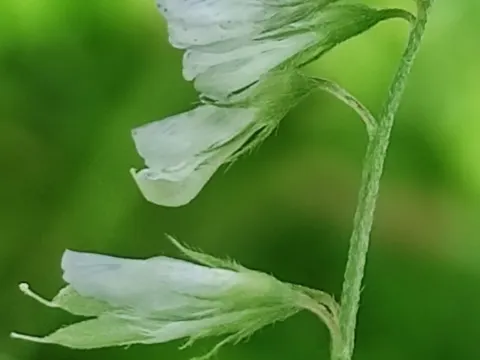
Hairy vetch
Vicia pubescens
Hairy vetch is a versatile legume that can be sown as either a winter or spring crop, depending on the specific climate and production objectives. In cooler regions, autumn sowing is preferred to ensure the plant establishes a strong root system before the onset of dormancy during winter.
What the section contains
Hairy vetch
For spring cultivation, seeding should begin as soon as the soil temperatures reach 5-8 degrees Celsius to capitalize on early season moisture. This timing is critical for promoting vigorous early growth and maximizing the production of biomass throughout the growing cycle.
The seeding rate typically ranges from 100 to 150 kilograms per hectare, depending on seed viability and soil conditions. It is essential to ensure that seeds are planted at a depth of 3 to 5 centimeters to provide the necessary coverage for proper germination and emergence.
Seed preparation, including scarification or inoculation with specific nitrogen-fixing bacteria, significantly enhances the success of the establishment phase. A well-prepared seedbed that is level and firm is crucial for achieving uniform plant density across the field.
Crop rotation protocols should be strictly followed, preferably alternating vetch with cereal crops or row crops. Planting on the same ground should be avoided for at least three to four years to mitigate the risk of soil-borne diseases and pest buildup.
Vicia pubescens is a member of the Fabaceae family, adapted to a variety of soils, though it performs best in well-drained, fertile environments. It is highly sensitive to waterlogging, which can quickly inhibit its root development and lead to plant decline.
While the crop is generally hardy, it exhibits optimal growth in temperate climates, showing reduced activity during periods of extreme heat or prolonged drought. Under moisture-stressed conditions, the plant may prematurely enter a period of reduced metabolic activity.
The ideal soil pH range for hairy vetch is between 6.0 and 7.5, ensuring optimal conditions for root nodule activity and nitrogen fixation. Fertilization with phosphorus and potassium is recommended in deficient soils to support healthy growth and robust yield potential.
A distinguishing botanical feature of this species is the dense hair covering the stems and leaves, which acts as a protective layer against excessive transpiration. Its tendrils allow the plant to climb, which is an evolutionary mechanism for accessing sunlight more efficiently in dense vegetation.
In its native range, the plant thrives in mild Mediterranean-like climates where winter conditions are not overly harsh. Proper weed management is essential during the initial growth stages, as the young plants can be easily outcompeted by more aggressive weeds.
Hairy vetch is primarily utilized in agriculture for high-protein forage, hay, and silage production. It is highly valued for its nutritional profile, offering an excellent source of digestible protein for cattle, sheep, and other livestock.
Yield performance is heavily dependent on soil nutrient availability and effective moisture management throughout the growing season. With proper agronomic care, producers can expect significant green mass production, often exceeding 20-30 tonnes per hectare.
Beyond its feed value, the crop serves as a potent green manure, contributing substantial nitrogen to the soil profile. This makes it an ideal choice for improving soil organic matter content and fertility for subsequent crops in a sustainable farming system.
Seed production is an additional economic focus, though it requires careful management due to the crop's natural susceptibility to seed shattering. Harvesting must be timed precisely when the pods show clear signs of maturity to avoid excessive field loss.
Integrating vetch into grass mixtures enhances the overall quality and nutritional consistency of pastures. Furthermore, planting it alongside small grains provides structural support, significantly reducing lodging and simplifying the harvesting process.
Common fungal diseases, such as anthracnose and powdery mildew, represent the primary phytosanitary risks, especially in humid or poorly ventilated conditions. These pathogens can severely affect leaf health and reduce the overall quality of the harvested forage.
Pests including pea leaf weevils and aphids pose consistent threats to crop development by feeding on roots and succulent foliage. Additionally, bruchid beetles can damage seeds, compromising both their germination rate and their suitability for long-term storage.
Proactive management involves the use of certified, treated seeds and strict adherence to crop hygiene practices. Removing volunteer plants and weeds from field margins helps reduce the primary sources of infection and keeps pest populations below damaging levels.
Chemical intervention should be reserved for cases where pest populations exceed established economic thresholds. Always select pesticides that are compatible with integrated pest management (IPM) strategies to minimize collateral harm to beneficial insects.
Frequent scouting of the fields during the flowering and pod-filling stages is recommended to detect any early signs of infestation. Early detection allows for targeted treatments that can save the crop and prevent the need for broad-spectrum chemical application.
The optimal window for harvesting green mass is during the early flowering phase, when the plant's protein content is at its peak. Delaying harvest results in increased stem lignification, which reduces digestibility and nutritional value for livestock.
Hay production requires specialized equipment to ensure rapid drying of the cut material while preserving nutrient content. Maintaining moisture levels below 17 percent during baling is critical to preventing mold development and spoilage during storage.
For seed harvesting, timing is everything; waiting for the majority of the pods to turn brown ensures higher yields. Adjusting combine settings, particularly the drum speed and concave clearance, is essential to minimize seed damage and harvest losses.
Post-harvest conditioning includes drying the seeds to a safe moisture content and cleaning them to remove debris. Storing seeds in a cool, dry, and rodent-proof environment ensures that their viability remains high for the next planting season.
Incorporating crop residues into the soil after harvest provides a valuable source of organic matter and residual nitrogen. This practice effectively recycles nutrients back into the soil, creating a closed-loop system that supports long-term field productivity.