
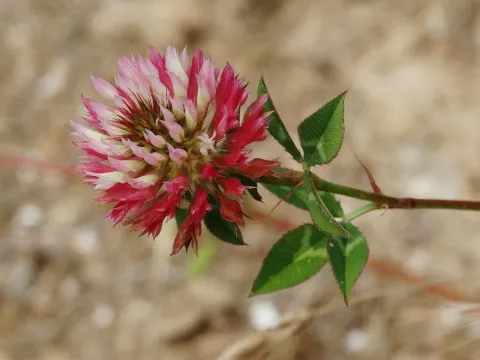
Bristly clover
Trifolium setiferum
Bristly clover (Trifolium setiferum) is a perennial legume species belonging to the family Fabaceae. The optimal sowing time is typically early spring, as soon as the soil reaches a temperature of 5 to 8 degrees Celsius, allowing for steady germination.
What the section contains
Bristly clover
The seeds should be sown at a shallow depth of 1 to 2 centimeters. Because clover seeds are relatively small, they rely on consistent moisture in the topsoil, making firm seedbed preparation essential for successful establishment of the crop.
Row drilling is the standard method for establishing fields. Maintaining a row spacing of approximately 15 centimeters ensures that each plant receives adequate sunlight and nutrient access during the early vegetative stages before canopy closure.
Post-sowing rolling of the soil surface is highly recommended to improve seed-to-soil contact. This practice promotes capillary action, which draws water from deeper soil layers to the germinating seeds, significantly increasing the emergence rate.
When used in pasture mixtures, it is crucial to select companion grasses with similar growth rates. This prevents the clover from being outcompeted during the initial development phase, ensuring a stable and balanced forage stand.
This crop thrives in well-drained, fertile soils with a neutral pH level. It is sensitive to waterlogging, as excessive moisture in the root zone can hinder oxygen availability and increase the risk of decay in the root system.
Regarding climatic needs, Bristly clover prefers temperate environments. While it demonstrates decent cold tolerance, it performs best in regions where moisture remains available throughout the growing season, preventing severe drought stress.
Exposure to direct sunlight is vital for the plant's metabolic activity. Adequate light promotes robust flowering and enhances the nitrogen-fixing capacity of the bacteria residing within the plant's root nodules.
Soil fertility management should focus on phosphorus and potassium levels, which are essential for long-term stand persistence. These nutrients play a critical role in developing strong roots and improving the overall resilience of the crop.
Biological nitrogen fixation is one of the key benefits of this clover. By partnering with specific rhizobia, the plant contributes significantly to soil health and reduces the need for synthetic nitrogen fertilizers in subsequent crop rotations.
Powdery mildew represents a significant fungal threat, especially during humid weather conditions. It primarily affects the leaf surfaces, reducing both the biomass yield and the nutritional quality of the forage for livestock.
Root rots are frequently associated with poor field drainage and shortened crop rotation cycles. Once established in the soil, these pathogens can cause substantial thinning of the plant population across the entire field.
Insect pests, particularly clover weevils, can cause extensive damage by feeding on foliage and floral tissues. This is especially problematic during the early spring when the plant is most vulnerable to external stress factors.
Aphids and thrips can rapidly colonize fields under warm, dry conditions. They weaken the plant by extracting sap, which may lead to stunted growth and increased susceptibility to other secondary infections or pathogens.
Effective management strategy relies heavily on preventative measures. Regular scouting, proper crop rotation, and timely mowing are the most sustainable practices for managing these biological threats without excessive chemical use.