
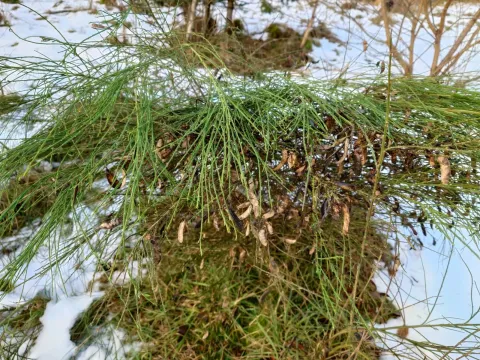
Broom
Cytisus L.
Broom (Cytisus L.) is a genus of deciduous or evergreen shrubs belonging to the Fabaceae family. Native to Europe, North Africa, and Western Asia, these plants are known for their spectacular display of pea-like flowers.
What the section contains


Broom
These plants thrive in full sun and require well-drained, slightly acidic to neutral soils. Broom is notoriously intolerant of waterlogged conditions and heavy, clay-based soils, which can lead to quick decline.
The cultural requirements include minimal fertilization, as these plants are adapted to nutrient-poor soils. Excessive nitrogen can cause vigorous but weak growth that is prone to winter damage and breakage.
Maintenance pruning is essential for maintaining the shape and vigor of the shrub. It is recommended to prune back the current year's growth by one-third immediately after flowering to prevent the plant from becoming leggy.
In terms of usage, Broom is primarily valued as an ornamental shrub for rock gardens and borders. Some species are also utilized for slope stabilization due to their extensive root systems, while others serve as important nectar sources for pollinators.
Broom is susceptible to a few common pests, including the broom gall mite, which causes abnormal growths on the stems, and various aphids that feed on young shoots.
Fungal diseases, such as powdery mildew and leaf spot, are relatively common, especially in environments with high humidity and poor air circulation around the plant's foliage.
Effective management includes maintaining a clean growing area, removing any diseased plant debris, and applying horticultural oils or appropriate fungicides when infestations appear.
To ensure long-term health, avoid overhead irrigation, as keeping the foliage dry helps significantly in reducing the risk of fungal outbreaks throughout the season.
Regular monitoring of the base of the plant is vital, as root decay can occur if drainage is insufficient, often appearing only after the plant has been significantly weakened.