
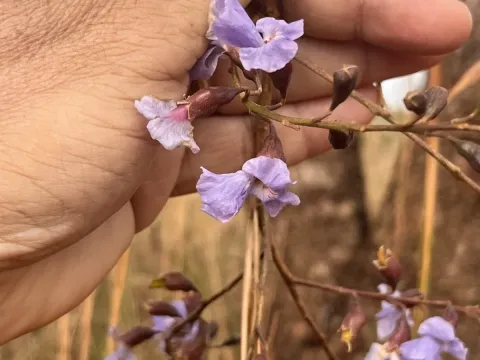
Bowdichia virgilioides
Bowdichia virgilioides
Bowdichia virgilioides, commonly known as the sucupira tree, is a deciduous tree belonging to the Fabaceae family. It is native to the South American savanna regions, specifically the Cerrado, where it adapts to extreme environmental fluctuations.
What the section contains
Bowdichia virgilioides
This species thrives in well-drained, acidic soils and is highly valued for its ability to grow in nutrient-poor environments. It serves as an essential component in land restoration projects due to its nitrogen-fixing capabilities.
The tree requires significant solar exposure to develop properly, as it is a sun-loving species. While it is adapted to periods of severe drought, it is sensitive to waterlogged soils during the early stages of development.
Agrotechnical management includes seed scarification to break dormancy and ensure high germination rates. Given its slow growth rate, proper spacing is necessary to minimize competition for nutrients and light in established plantations.
The biological adaptation to fire, provided by its thick corky bark, makes it one of the most resilient species in the seasonally dry tropical forest landscapes of Brazil and surrounding regions.
The primary economic product of Bowdichia virgilioides is its dense, decay-resistant timber. The wood is highly sought after for luxury flooring, fine furniture, and construction because of its natural resistance to insects.
Beyond timber, the plant is a critical resource in ethnopharmacology. The bark and seeds contain isoflavones and various alkaloids that possess potent analgesic and anti-inflammatory properties, currently under pharmacological investigation.
In agroforestry systems, the tree contributes to soil fertility. Through symbiotic relationships with nitrogen-fixing bacteria, it improves the nutrient content of the soil for neighboring crops, supporting sustainable farming practices.
Bee-keeping is another viable economic activity associated with this species. During its blooming season, the tree provides a substantial source of nectar, yielding high-quality honey that is valued in local markets.
Sustainable harvesting of medicinal bark is becoming an important practice. By implementing controlled collection methods, rural communities can derive long-term economic value without killing the tree.
Root rot caused by poor soil drainage is the most significant disease threat to sucupira. Maintaining proper aeration around the root zone is crucial for the survival of both nursery stock and mature trees.
Wood-boring insects (xylophagous beetles) represent the primary pest risk. These pests can compromise the structural integrity and market value of the timber if left unmanaged in large plantations.
Leaf spots caused by fungal pathogens can affect young seedlings during high-humidity periods. Proper nursery hygiene and balanced irrigation are essential preventive measures against these infections.
The rapid conversion of savanna lands to intensive agriculture poses a direct threat to the natural population of this tree. Conservation and reforestation efforts are critical to maintaining the species' genetic diversity.
Invasive weed species can outcompete young Bowdichia trees for sunlight and nutrients. Regular weeding and site maintenance are necessary during the initial years of the tree's growth cycle to ensure successful establishment.