
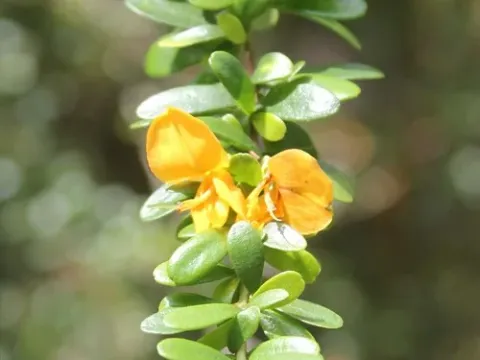
Brya
Brya
The genus Brya belongs to the Fabaceae family. The most prominent species, Brya ebenus, is a small tree native to the Caribbean, specifically Cuba and Jamaica, known for its extreme wood density.
What the section contains

Brya
This plant thrives in tropical climates characterized by warm temperatures year-round. It is not frost-tolerant and requires specific environmental conditions to reach its full growth potential.
Regarding soil, Brya prefers well-drained, often limestone-based soils. It is well-adapted to habitats where moisture is limited, demonstrating remarkable resilience in dry ecological niches.
Botanically, it is a slow-growing evergreen tree with small leaves and highly durable wood. Its slow growth rate is exactly what contributes to the exceptional hardness and fine texture of its timber.
In terms of agricultural management, Brya requires significant space and time. It is not a fast-maturing crop, making its cultivation a long-term investment for those focused on high-quality timber production.
Root rot and various fungal infections represent the most significant threat to Brya plants, particularly in environments where water drainage is insufficient.
Wood-boring insects and pests represent a constant risk to the integrity of the trunk, which can result in significant economic loss for forestry operations.
Maintaining proper plant health involves careful monitoring of soil moisture levels to ensure the roots remain healthy and free from pathogen accumulation.
Environmental stress, such as extreme weather events, can further weaken these slow-growing trees, increasing their susceptibility to secondary infestations.
Integrated pest management strategies focusing on cultural control and sanitation are recommended to minimize damage in commercial plantations.