
Bossiaea
Bossiaea
Bossiaea is a genus of evergreen shrubs belonging to the Fabaceae family. The plant is native to Australia, where it thrives in various ecological conditions ranging from coastal forests to dry scrublands.
What the section contains


Bossiaea
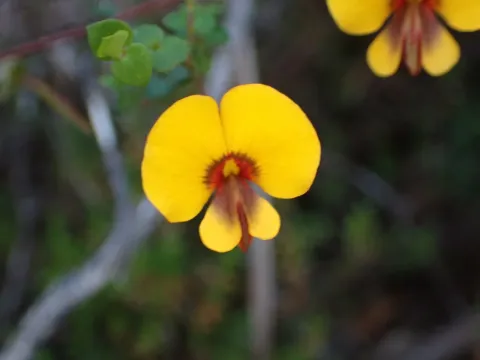
The culture is distinguished by its peculiar appearance: in many species, stems are flattened and act as photosynthetic organs (cladodes), while true leaves are often reduced. The flowers possess a typical papilionaceous structure, often showcasing vibrant yellow and red color combinations.
Successful cultivation requires well-drained, sandy or loamy soil with a neutral to slightly acidic pH. The plant is extremely sensitive to waterlogging; therefore, establishing a robust drainage layer is essential when planting in heavy soils.
Climatic requirements are dictated by their native range: most species prefer moderate warmth, sunny spots, or partial shade. In open ground, the culture tolerates only minor frost, so container gardening is recommended in regions with colder winters.
In ornamental horticulture, Bossiaea is valued for its unique branch structure and abundant spring blooming. It is frequently utilized in landscape design for rockeries, gravel gardens, or as a feature plant in greenhouses.
The primary threats to Bossiaea are fungal root diseases, caused by excessive watering and lack of soil aeration. Improper moisture regimes trigger root rot, which can quickly lead to the death of the plant.
Among pests, mealybugs and spider mites are the most common, especially when plants are kept in greenhouse conditions. Regular inspection of vegetative organs allows for early detection of infestations and the timely application of acaricides.
Ensuring good air circulation around the shrub is vital to minimize the risk of gray mold and other fungal infections. Preventive fungicide treatments should only be applied if humidity levels remain excessively high.
The culture may also suffer from chlorosis due to excessive lime content in the growing medium or a deficiency in accessible iron and magnesium. Monitoring and adjusting soil acidity is a key method for preventing this physiological disorder.
Overall, when standard agronomic practices regarding irrigation and light are maintained, Bossiaea demonstrates high resistance to pests and diseases, maintaining its decorative value for many years.