
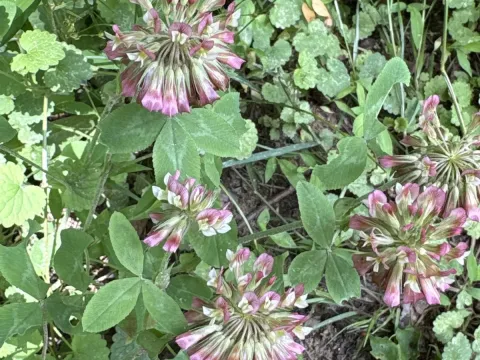
Buffalo clover
Trifolium reflexum
Buffalo clover, scientifically known as Trifolium reflexum, is a valuable legume often cultivated as an annual or biennial crop. The ideal sowing period is early spring, once the soil temperature consistently reaches 5–8°C, which ensures optimal germination and root development.
What the section contains
Buffalo clover
The recommended seeding rate varies between 8 to 12 kilograms per hectare depending on soil quality. Seeds should be sown at a shallow depth of approximately 1.5–2 centimeters, as small-seeded legumes require adequate moisture and proper seed-to-soil contact to thrive in the initial phases.
In regions with milder winters, late autumn seeding can be an effective strategy to leverage early spring moisture. This practice allows for natural seed stratification, leading to earlier emergence and more vigorous growth during the subsequent growing season.
When incorporating buffalo clover into pasture mixtures, it is often paired with compatible grass species. This combination improves the overall nutritional value of the forage while leveraging the plant’s natural ability to fix atmospheric nitrogen for the benefit of companion grasses.
Proper seedbed preparation is paramount for success, as young seedlings are sensitive to competition from weeds. Clearing the field of debris and ensuring a fine, level soil structure will provide the best environment for uniform stand establishment.
This crop exhibits moderate environmental requirements, preferring climates with stable, moderate humidity. It possesses notable resilience to short-term dry spells due to its well-developed taproot system, which helps the plant access moisture from deeper soil layers.
The best growth is achieved on loamy or sandy-loam soils with a neutral to slightly acidic pH level. It is crucial to avoid areas prone to prolonged waterlogging, as poor drainage can cause root stress and hinder the activity of beneficial nodule-forming bacteria.
Sufficient sunlight is essential for optimal biomass accumulation and floral development. Buffalo clover performs best in open settings where it is not overshadowed by taller vegetation, allowing for robust photosynthetic activity throughout the vegetative phase.
Fertilization strategies should focus primarily on phosphorus and potassium, as the plant can meet most of its nitrogen needs through biological fixation. Excessive nitrogen application should be avoided, as it may decrease the efficacy of the symbiotic nitrogen-fixing bacteria.
The preferred temperature range for growth is between 18°C and 25°C. While extreme heat combined with drought can slow growth, the plant generally exhibits a high capacity for recovery once favorable moisture conditions are restored.
Buffalo clover is primarily valued for its contribution to high-quality forage production. Under good management and favorable soil conditions, it can yield between 150 and 250 quintals of green matter per hectare, serving as an excellent source of protein for livestock.
To maximize forage quality, harvesting should occur during the early flowering stage. At this point, the plant contains an optimal balance of crude protein and digestible carbohydrates, making it an ideal component for dairy and cattle feeding regimes.
Beyond its forage value, the plant is a prolific honey producer during its extended flowering period. The presence of these crops can significantly benefit local apiaries, contributing to higher honey yields and better pollination rates for the clover itself.
As a legume, buffalo clover serves as a potent green manure crop. Incorporating the vegetation back into the soil after the harvest cycle replenishes organic matter and adds nitrogen, significantly enhancing the fertility profile for subsequent crops in a rotation.
For seed production, yields typically range from 2 to 4 quintals per hectare. Achieving this yield requires careful timing to ensure that the majority of flower heads have reached maturity without succumbing to seed shattering or premature harvesting.
Fungal diseases such as powdery mildew and various leaf spot infections are the primary threats to stand health. These conditions thrive in high humidity and crowded environments, so managing plant density and maintaining proper airflow within the stand is crucial.
Pests, particularly clover weevils and certain bug species, can cause significant damage to leaves and reproductive organs. Integrated pest management strategies, utilizing both cultural controls and targeted applications when necessary, are essential to maintain crop productivity.
Nematode infestations can also inhibit root development, leading to stunted plants and yellowing leaves. To prevent such issues, growers should adhere to strict crop rotation cycles, avoiding the re-planting of legumes on the same field for at least three to four years.
Winter survival can be challenged by extreme temperatures and fluctuating snow cover. Maintaining a healthy stand through the autumn allows the plants to store sufficient energy reserves, significantly improving their hardiness against frost-related damage.
Regular field scouting is vital for early detection of any health issues. Addressing problems like pest outbreaks or disease early can save the crop without requiring large-scale chemical intervention, ensuring a cleaner and more sustainable harvest.
Harvesting for green forage is best conducted at the full bud to early bloom stage. Using high-efficiency forage choppers, growers can produce high-quality silage or hay that retains high vitamin levels, essential for maintaining animal health during winter months.
When harvesting for seed, a split-phase approach is often employed. Once the flower heads change color to a mature brown, the crop is swathed and allowed to cure in the field for a short period before being threshed with a combine harvester.
Precise calibration of the harvester is necessary to prevent mechanical damage to the seeds and to minimize field losses. Adjusting cylinder speeds according to moisture content helps in achieving the highest yield of clean, viable seeds.
Post-harvest seed processing is a critical step, involving cleaning and drying the seeds to a moisture level below 14%. Proper storage in dry, well-ventilated conditions is required to maintain seed viability until the next sowing season.
Field residue management after harvest includes light cultivation or disking, which helps integrate organic material into the topsoil. This practice promotes the decomposition process and prepares the field structure for subsequent agricultural activities.