
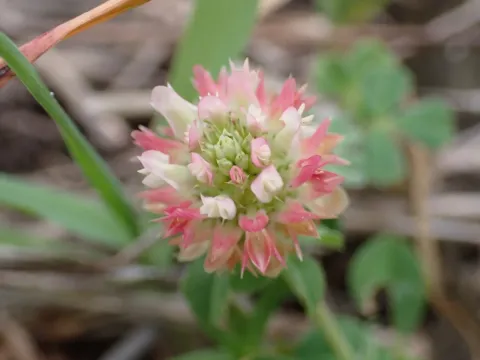
Trifolium argutum
Trifolium argutum
Trifolium argutum is an annual legume species, and the optimal time for sowing is early spring as soon as the soil warms up to 8–10 degrees Celsius. It is crucial to sow in a well-prepared seedbed that is free from weeds to prevent competition during the early stages of plant development.
What the section contains
Trifolium argutum
The seeding rate for this crop depends on soil type and the intended use, typically ranging from 12 to 16 kilograms of seed per hectare. Seeds should be sown at a depth of no more than 1.5–2 centimeters to ensure uniform emergence and proper root system establishment.
To improve germination and increase nitrogen-fixing activity, seed inoculation with specific rhizobia strains is often practiced. This allows the plant to efficiently assimilate atmospheric nitrogen and reduces the need for mineral fertilizers throughout the growing season.
Sowing can be performed using traditional row drilling with 15-centimeter spacing or broadcast methods when creating pasture mixtures. The choice of method depends on the available agricultural machinery and the planned management system for the stand.
After sowing, it is recommended to roll the field to ensure good seed-to-soil contact and moisture retention in the seed zone. This is particularly important in regions with unstable moisture conditions during the spring period.
Trifolium argutum is a sun-loving plant that thrives best in well-illuminated areas. While it shows moderate drought tolerance, it produces the highest yields of green matter under sufficient but not excessive moisture conditions during the active growth phase.
The crop prefers fertile loamy or sandy loam soils with a neutral or slightly acidic pH level. Waterlogged or highly acidic soils are unsuitable for the cultivation of this plant, as they inhibit root development and overall plant vigor.
The plant adapts well to temperate climate conditions and requires stable temperatures for efficient photosynthesis. The optimal temperature range for development is between 18 and 24 degrees Celsius.
Trifolium argutum is sensitive to prolonged late spring frosts, so planting dates must be strictly followed. In regions with extremely cold winters, the crop is cultivated strictly as an annual forage species.
Soils enriched with phosphorus and potassium contribute significantly to the nutritional value of the plant biomass. Incorporating these fertilizers before sowing is a key element of the agronomic management plan to maximize protein yield per hectare.
The green matter yield of Trifolium argutum varies greatly depending on the agronomic practices and weather conditions of the season. In favorable years, the crop can produce a significant volume of biomass rich in proteins and essential minerals.
Under intensive management systems, hay yields per hectare reach high levels, making this crop an economically attractive option for livestock operations. Utilizing modern cultivars can increase productivity metrics by 15–20% compared to wild-type varieties.
Productivity is significantly influenced by the timeliness of agronomic interventions, such as weed control during the early development phases. Clean stands demonstrate a higher capacity for regeneration following the first cutting.
Average seed yield for this crop fluctuates within moderate ranges due to often uneven maturation of the seed heads. Careful monitoring of plant growth stages is required to obtain high-quality seed material.
Factors limiting yield include micronutrient deficiencies and excessive soil compaction. Regular cultivation between rows helps the plant better absorb moisture and nutrients, maintaining high yield levels throughout the season.
Trifolium argutum may be affected by fungal diseases such as powdery mildew or rust, particularly in conditions of high humidity and dense stands. Timely monitoring of the field allows for localized control of infection sites at an early stage.
Among pests, various species of weevils pose the greatest threat, as they damage the leaves and reproductive organs of the plant. Insecticide use should be limited to extreme cases, with preference given to cultural and biological control methods.
Root rots are a significant threat when crop rotation is neglected, especially if clover is grown on the same field too frequently. This leads to vascular system damage and premature plant mortality.
Insect pests can significantly reduce seed productivity by destroying flower heads or developing seeds within the pods. Implementing biological control methods and maintaining proper field isolation distances are essential for managing pest populations.
General disease prevention includes using treated, high-quality seed material and strictly adhering to recommended seeding rates. A healthy, vigorous stand naturally possesses greater immunity to withstand most common pathogens.
Harvesting for green matter or hay is carried out during the full flowering phase, as the plant contains the highest concentration of nutrients at this stage. Delaying the harvest leads to stem coarsening and a decrease in nutritional value.
When making hay, it is vital to ensure rapid drying of the mown biomass to preserve color and vitamin content. Turning the swaths helps achieve target moisture levels quickly, minimizing mechanical losses during the drying process.
If the objective is seed production, harvesting begins when the majority of the flower heads have turned brown. At this point, preventing seed shatter is crucial, so a two-phase harvesting method involving prior mowing into swaths is often employed.
Post-harvest processing involves cleaning seeds of impurities and drying them to a moisture content of no more than 12-14%. Storage of seed material must take place in dry, well-ventilated facilities to prevent loss of viability.
Harvesting equipment must be calibrated to minimize plant damage. The cutting height is important, as an excessively low cut may injure the plant's growing points if regrowth of the second cut is intended.