
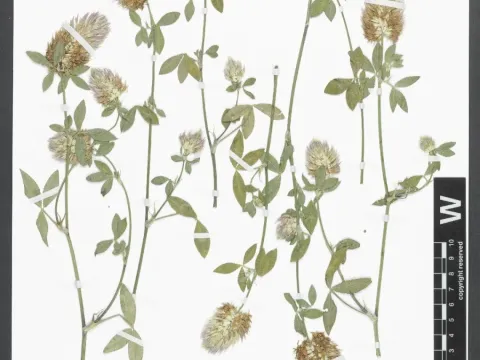
Trifolium mutabile
Trifolium mutabile
Trifolium mutabile is a perennial legume species used in forage production. Sowing is typically carried out in early spring when soil temperatures reach 5–8 degrees Celsius, allowing for optimal germination and establishment.
What the section contains
Trifolium mutabile
A standard row seeding method is recommended, with row spacing of approximately 15–20 cm. This density ensures an even distribution of the crop and helps the clover quickly establish a canopy that suppresses weed growth effectively.
The seeds should be sown at a shallow depth of 1.5–2 cm to ensure they have enough energy to emerge. Post-sowing soil compaction is a critical agronomic practice to improve seed-to-soil contact and water absorption.
Seed quality is paramount, and choosing seeds with high purity and germination rates will significantly impact the success of the stand. The seeding rate is generally set between 12 and 16 kg per hectare depending on site conditions.
Once established, the seedlings exhibit strong vigor, which allows them to compete effectively with surrounding flora during the early developmental phases of the growing season.
This clover species thrives in temperate climates and is known for its moderate cold tolerance. It prefers well-drained soils and performs best on loam or sandy-loam structures with a neutral to slightly acidic pH level.
While Trifolium mutabile is resilient, it does not tolerate waterlogged conditions, which can lead to root system degradation. Proper field drainage is essential for maintaining a healthy and productive crop stand.
As a legume, it has the ability to fix atmospheric nitrogen through a symbiotic relationship with soil bacteria. Therefore, it requires minimal nitrogen application, while responding positively to phosphorus and potassium fertilizers.
The plant is versatile regarding light requirements but shows the best vegetative growth in open areas. It can also be successfully integrated into mixed grasslands with other perennial forage grasses.
Maintaining soil health through the application of trace elements like boron or molybdenum can enhance the plant's overall growth, disease resistance, and long-term survival in pastures.
The primary agricultural use of Trifolium mutabile is for hay production and grazing. It offers high nutritional value, characterized by excellent protein content, making it an ideal component for livestock feed.
Productivity peaks during the second and third years of growth. Under favorable conditions, the crop can yield up to two cuts per season, providing a steady supply of high-quality forage throughout the year.
The plant demonstrates good regrowth capabilities, allowing for intensive grazing management without causing long-term damage to the plant stand. This makes it a valuable asset for rotational grazing systems.
Apart from direct livestock consumption, the plant can be ensiled, preserving its nutrients for winter feeding. Its high leaf-to-stem ratio ensures that the silage maintains good energy density.
The accumulation of biomass and nitrogen fixation benefits the soil, contributing to higher yields for subsequent rotation crops, such as cereals, in agricultural systems.
Trifolium mutabile is generally hardy, but it can be susceptible to fungal diseases like anthracnose and various types of rust, particularly during seasons with excessive humidity and rainfall.
Insect pests, such as clover weevils, can cause significant damage by feeding on foliage and flower heads, which threatens both biomass production and seed yields. Integrated pest management is recommended.
Root rot remains a concern in poorly drained fields. Proactive management of soil moisture and the selection of disease-resistant planting sites are the most effective preventive measures available to farmers.
Regular monitoring of the pasture throughout the growing season helps in identifying early signs of infection or infestation, allowing for localized interventions before problems spread across the field.
Crop rotation and keeping appropriate distances from older clover stands help break the disease cycle, ensuring that the new crop remains healthy and productive for many years.
The ideal time to harvest for hay is at the onset of flowering. Harvesting at this stage captures the peak concentration of essential nutrients, vitamins, and minerals before the plant allocates energy to seed production.
Rapid drying is essential to maintain the quality of the hay. Efficient machinery should be used to cut, turn, and bale the crop quickly to prevent nutrient loss and maintain the desired green color.
Seed harvesting is conducted when the majority of flower heads turn brown and the seeds become firm. It is critical to harvest before the seeds shatter to avoid significant yield losses in the field.
Post-harvest processing involves cleaning and drying the seeds to prevent spoilage during storage. Storing seeds in cool, dry conditions ensures high germination rates for future planting seasons.
Effective harvest management not only provides high-quality forage and seeds but also allows the clover stand to regenerate efficiently, extending the overall economic lifespan of the pasture.