
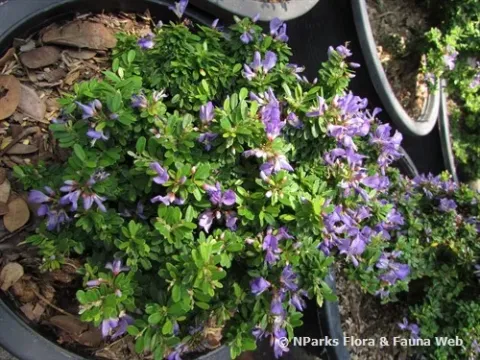
Trifidacanthus
Trifidacanthus
Trifidacanthus propagation is typically performed via seeds or semi-hardwood cuttings. Seeds must undergo scarification to break dormancy and ensure uniform germination across the batch.
What the section contains

Trifidacanthus
Sowing in open field conditions should only begin once soil temperatures consistently exceed 18 degrees Celsius. Providing a consistent warmth is essential for the seedling establishment phase.
For cutting propagation, use a well-draining medium composed of sand and perlite. Maintaining a high humidity environment is crucial until roots begin to form on the cuttings.
Seedlings should be hardened off gradually before permanent transplantation. This process minimizes the stress caused by sudden environmental changes and exposure to direct sunlight.
Spacing requirements must be respected to ensure optimal growth and air circulation around each plant. Proper distance between plants also facilitates easier access for weeding and monitoring.
Trifidacanthus is a member of the Fabaceae family, often valued for its resilience and unique structure. It thrives best in regions characterized by warm, stable climatic conditions.
The plant demands well-drained soil, preferably of a sandy or loam texture, to avoid root suffocation. Proper drainage is the most critical factor for its long-term health and survival.
Sunlight exposure should be maximized, as the species performs optimally in full sun conditions. Shaded areas generally lead to legginess and reduced flowering performance of the plant.
Watering regimes should be kept moderate, focusing on allowing the soil to dry out slightly between irrigation events. Consistent waterlogging will invariably lead to root issues.
Fertilization should prioritize phosphorus and potassium inputs to support root development and flowering. Avoiding excessive nitrogen is recommended to maintain the plant's natural form.
Root rot is the most frequent pathological issue encountered during cultivation, primarily caused by over-irrigation. Prevention through strict moisture control is the best management practice.
Spider mites are a significant pest concern, especially during dry and hot weather cycles. Regular scouting is essential to apply interventions before infestation levels become severe.
Aphid colonies may attack tender new growth, requiring systemic insecticide applications. Monitoring of the growth tips should be integrated into regular maintenance schedules.
Powdery mildew can affect the foliage if air circulation is insufficient within the planting grid. Thinning operations and spatial management help prevent the onset of this fungus.
Soil-borne nematodes pose a risk to root health, requiring site preparation and the use of healthy, pathogen-free planting stock to prevent systemic soil issues.