
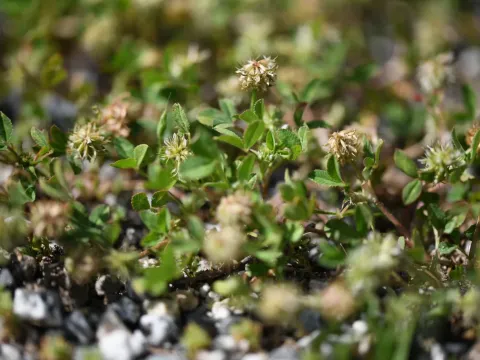
Trifolium retusum
Trifolium retusum
Trifolium retusum, commonly known in botanical circles, is a perennial legume species valued for its inclusion in pasture mixtures and agricultural forage systems.
What the section contains
Trifolium retusum
The optimal sowing time for this clover is early spring or late summer, allowing the plants to establish a strong root system before environmental stressors occur.
Successful establishment requires a fine, firm seedbed, as the seeds are relatively small and need to be sown at a shallow depth of approximately 1–2 centimeters.
Seed drills are the preferred method for uniform distribution, which prevents overcrowding and allows for optimal light interception by the emerging seedlings.
Inoculating seeds with appropriate nitrogen-fixing bacteria ensures the crop effectively contributes to soil fertility by capturing atmospheric nitrogen.
This clover thrives in well-drained, fertile soils with a balanced pH, avoiding areas prone to waterlogging which can stunt root development and overall plant vigor.
The species prefers temperate climates with moderate rainfall, though it shows decent resilience to brief periods of drought once established in the soil.
Adequate sunlight is crucial for biomass accumulation; therefore, fields should be situated in open areas free from heavy shading by larger vegetation or infrastructure.
Soil nutrient management, specifically the availability of phosphorus and potassium, significantly influences the legume's survival through dormant winter months.
Regular soil testing is recommended to ensure that micronutrient levels are sufficient to support the rapid growth rates observed during the peak growing season.
The biomass yield of Trifolium retusum is highly productive in well-managed pastures, serving as a high-protein feed source for livestock throughout the season.
Frequent, controlled grazing or cutting stimulates lateral growth, leading to a denser sward that increases the total yield per hectare over consecutive seasons.
Nutrient quality, particularly protein levels, is highest before full bloom, making early harvesting a key strategy for high-performance livestock feeding programs.
In optimal conditions with proper moisture levels, the crop can support multiple harvests, providing consistent feed volume from late spring through autumn.
Farmers can expect stable production levels by rotating cutting schedules, which allows the plant to recover and maintain its reproductive viability.
Fungal diseases like rust and mildew represent the primary threats, especially in humid regions where moisture persists on the leaves for extended periods.
Pests, such as clover weevils and aphids, may damage the foliage or reproductive structures, potentially reducing the crop's longevity and quality.
Cultural management, including timely mowing and maintaining an appropriate stocking rate in pastures, helps in mitigating the spread of these pathogens.
Root rot, often associated with poor drainage, can be catastrophic to a stand; thus, maintaining good soil structure is the best preventative measure available.
Integrated pest management strategies should be adopted to protect the crop while maintaining the environmental health of the agricultural system.
Harvesting should ideally occur at the late vegetative or early bud stage to optimize the nutritional value of the harvested hay or silage material.
For hay production, rapid drying in the field is necessary to minimize leaf shattering, as leaves contain the highest concentration of minerals and proteins.
Maintaining an appropriate cutting height is essential to prevent depletion of plant energy reserves, ensuring quick regrowth after the harvest event.
Silage production requires consistent moisture levels (typically 40–50 percent) and proper compaction to exclude oxygen and promote healthy fermentation.
Final harvest should be timed carefully before the onset of winter dormancy, allowing the plants to recharge their root reserves for the subsequent spring growth.