
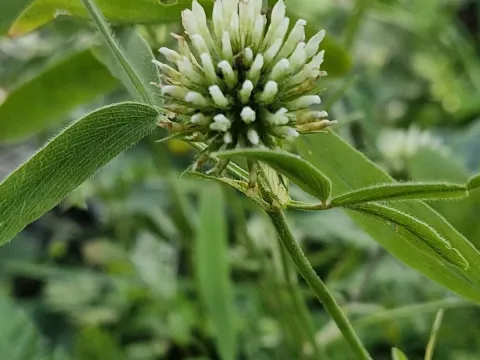
Trifolium cinctum
Trifolium cinctum
Trifolium cinctum is a distinct member of the Fabaceae family, adapted to specific Mediterranean environmental conditions. This legume species is characterized by its adaptability to diverse soil types within its native range.
What the section contains
Trifolium cinctum
The plant thrives best in well-drained, fertile soils where moisture is available throughout the growing season. While it is relatively hardy, it prefers sites that do not experience prolonged waterlogging, which can be detrimental to its root system.
Regarding climate, this clover species requires moderate temperatures to optimize its metabolic processes. It is typically found in regions with mild winters and warm, sunny summers, which support its vegetative growth cycles.
Agricultural management should focus on maintaining a neutral to slightly acidic pH in the soil. Proper land preparation is essential to ensure uniform germination and to prevent the encroachment of aggressive weed species during the early establishment phase.
Sustainable cultivation includes the use of appropriate rhizobial inoculants to stimulate nitrogen fixation. This process is crucial for the plant's ability to enrich the soil, making it a valuable asset in conservation agriculture and crop rotation systems.
The biomass yield of Trifolium cinctum is influenced by soil fertility levels and the frequency of harvesting. Efficient management ensures that the crop maintains a high production rate, providing reliable forage sources for livestock.
Harvesting at the correct phenological stage is critical for maximizing nutritional value. Cutting just before or at the early flowering stage ensures a optimal balance of protein, fibers, and essential mineral content in the harvested material.
The species exhibits strong regrowth capacity, allowing for multiple cuttings per season under optimal irrigation conditions. This makes it an efficient option for farmers seeking to maximize their pasture or hay field output.
Seed production is another aspect of its agricultural potential. Ensuring healthy pollinator populations, such as bees, is vital to achieving high seed yields, which is necessary for scaling up production or maintaining stand density.
Overall, Trifolium cinctum offers a versatile solution for forage needs. Its ability to thrive in managed grasslands while providing environmental benefits makes it an important candidate for sustainable agricultural development programs.