
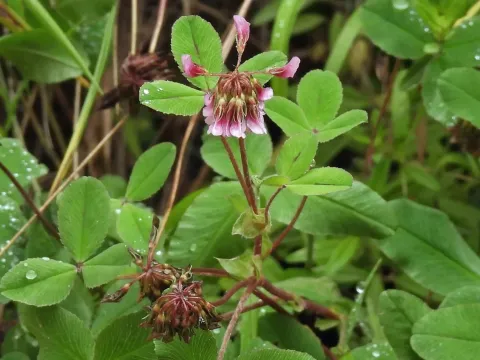
Trifolium amabile
Trifolium amabile
Trifolium amabile is a legume species that benefits from systematic sowing protocols. The optimal sowing time is early spring when soil temperatures reach stable levels sufficient for seed germination, typically above 8°C.
What the section contains
Trifolium amabile
Seeds should be sown at a shallow depth, usually between 1 and 2 centimeters, to ensure proper emergence. Because the seeds are small, soil surface contact is essential; thus, light rolling after sowing is a recommended practice to improve germination rates.
In many agricultural setups, Trifolium amabile is sown as part of a mixture with grasses to improve forage quality and balance. This practice creates a more robust canopy that effectively suppresses weed growth in the early stages of development.
The sowing density must be calibrated according to the local soil fertility and climate. Generally, a rate of 10 to 12 kilograms per hectare is sufficient to achieve a balanced plant density in a field.
Maintenance of seedlings is critical during the first few weeks. Farmers should prioritize weed control, as the crop can be sensitive to shading and competition for nutrients until its root system is fully established.
The species thrives in moderate climates, showing a preference for regions with consistent rainfall and temperate summers. It is well-adapted to upland and mountain areas, where its growth habit is most productive.
Soil requirements include well-drained, fertile loams with a neutral pH. The crop does not tolerate waterlogging, as excessive moisture often leads to root rot and reduced nitrogen fixation efficiency by rhizobial bacteria.
Light availability is a primary factor for the biomass production of Trifolium amabile. The plants require full sun exposure to maintain high sugar content in their stems and leaves, which significantly impacts the nutritional value for livestock.
Mineral nutrition plays a vital role in long-term yield. The plant benefits significantly from phosphorus and potassium fertilization, which strengthens the root system and improves winter hardiness in perennial stands.
Proper aeration of the soil is necessary to support the symbiotic relationships between the plant roots and nitrogen-fixing bacteria. Regular monitoring of soil structure ensures the long-term viability of the crop in multi-year stands.
Trifolium amabile is vulnerable to various pests, most notably clover weevils. These insects can cause substantial damage to leaves and reproductive structures, leading to lower seed yields and weakened overall plant vigor.
Fungal diseases, such as powdery mildew, are common during periods of high humidity. This disease covers leaves in a white, dusty layer, impairing photosynthesis and reducing the overall feed quality of the plant mass.
Root rot caused by fungal pathogens in wet, compacted soils can lead to significant thinning of the stand. Prevention is key, involving site selection that guarantees excellent drainage and avoiding overly dense sowing patterns.
Crop rotation is a fundamental strategy for managing pathogens. By rotating Trifolium amabile with non-leguminous crops, the life cycle of soil-borne diseases is interrupted, reducing the need for chemical intervention.
Strategic timing of harvest can also serve as a pest control method. Cutting the forage before pest populations reach their peak can help minimize damage and preserve the health of the remaining plant crown for subsequent growth cycles.