
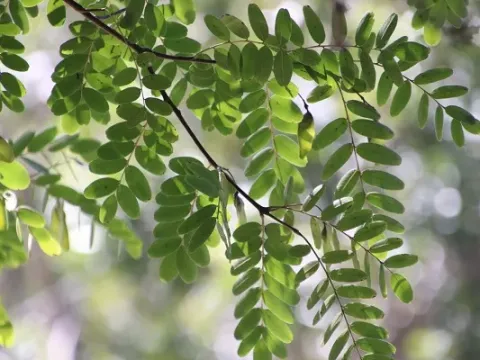
Tipuana
Tipuana
Tipuana (Tipuana tipu), also known as the Rosewood tree, belongs to the Fabaceae family. It is a robust, deciduous tree recognized for its rapid growth rate and umbrella-shaped canopy, which provides extensive shade in both urban and rural environments.
What the section contains

Tipuana
The species is native to South America, spanning across Bolivia, Argentina, and southern Brazil. Its natural distribution demonstrates an ability to thrive in warm climates, often occupying riparian zones or open woodlands where seasonal moisture is available.
Regarding soil requirements, Tipuana is notably adaptable. While it prefers deep, fertile, and well-drained soils, it exhibits high tolerance for various soil textures, including poor or compacted urban substrates. Proper drainage is essential to avoid root rot.
The tree thrives in full sun exposure. While it exhibits drought tolerance once established, it requires regular irrigation during its juvenile stages to promote deep root system development. Climate-wise, it prefers frost-free areas but can withstand mild, brief cold snaps.
Maintenance and pruning are critical components of Tipuana management. Regular structural pruning is recommended during the first few years to ensure a strong branching habit, as mature trees can be prone to limb breakage under severe weather conditions.
Economically, Tipuana is highly valued for its durable and aesthetically pleasing timber. The wood is utilized in furniture manufacturing, high-quality carpentry, and decorative interior work, often valued for its distinct grain and color consistency.
Beyond timber, the tree provides ecological benefits through nitrogen fixation. By improving soil fertility, Tipuana acts as a functional component in agroforestry systems, supporting surrounding vegetation and contributing to long-term soil health management.
Tipuana trees are susceptible to several pests, particularly sap-sucking insects like scales and aphids. Infestations can lead to the secretion of honeydew, which subsequently triggers the development of sooty mold, negatively impacting the tree's photosynthetic capacity.
Pathological threats include various root rots and stem cankers, primarily caused by fungi in waterlogged or damaged trees. Effective control involves maintaining proper irrigation schedules and ensuring the trees are not physically damaged during routine maintenance.