
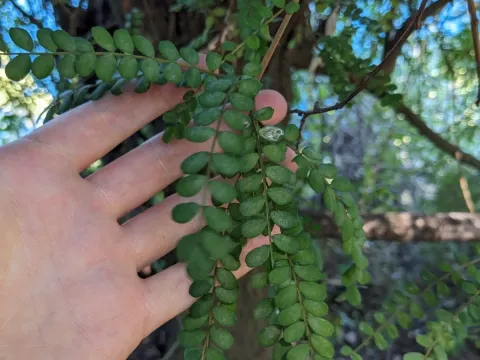
Sophora cassioides
Sophora cassioides
Sophora cassioides is a distinctive woody species belonging to the Fabaceae (legume) family, native to the temperate regions of Chile. This semi-evergreen shrub is highly valued for its weeping habit and showy, golden-yellow flowers that appear in spring.
What the section contains
Sophora cassioides
The plant thrives in well-drained, fertile soil types ranging from slightly acidic to neutral pH. It requires a location with full sun or partial shade, protected from harsh, drying winds that can damage its delicate foliage and slender stems.
Regarding climate, Sophora cassioides prefers regions with mild winters. While it can withstand light frost, prolonged exposure to freezing temperatures requires protective measures or cultivation in sheltered garden areas or pots to prevent dieback.
Agricultural management includes consistent watering during the establishment phase, though mature plants demonstrate a moderate degree of drought tolerance. It is crucial to prevent waterlogging, which often leads to root rot issues in heavy clay soils.
Propagation is typically achieved through seeds or semi-hardwood cuttings. Seeds require mechanical scarification to break dormancy and ensure uniform germination, which is a standard procedure for many legumes in agricultural practice.
Common health issues for Sophora cassioides include fungal infections such as root rot and leaf spot, usually triggered by poor drainage or excessive humidity. Maintaining soil health and air circulation is the primary prevention strategy.
Pest pressures primarily involve sap-sucking insects, including aphids and spider mites. These pests tend to aggregate on tender new growth, potentially causing yellowing and stunted development of the plant's branches.
Management of these threats involves monitoring foliage for signs of infestation. In severe cases, the application of horticultural oils or systemic insecticides is recommended, ensuring application is performed early to avoid damage to beneficial insects.
Sanitation practices are essential for disease control. Removing fallen leaves and pruning dead or diseased twigs during the dormant season prevents the overwintering of pathogens that could reinfect the shrub in the following year.
For sustainable cultivation, farmers and gardeners are encouraged to favor integrated pest management (IPM) practices, utilizing biological controls before resorting to broad-spectrum chemical interventions to maintain the ecosystem balance.