
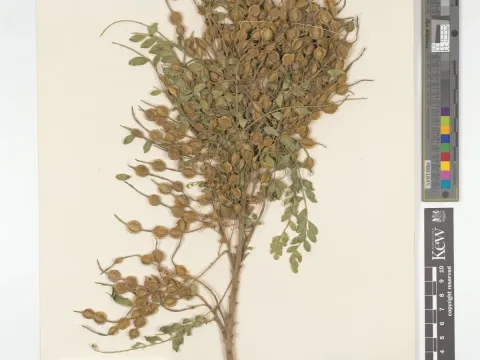
Sophora mollis
Sophora mollis
Sowing of Sophora mollis typically occurs in early spring, once the soil has warmed to a temperature of 8–10 degrees Celsius at the seeding depth. Choosing the right time is essential to avoid late frost damage to emerging seedlings.
What the section contains
Sophora mollis
The seeds of this species have a hard, protective coat that makes scarification a necessary procedure before planting. This treatment significantly improves germination rates and ensures a uniform stand establishment across the field.
Seeds should be planted at a depth of 3 to 5 centimeters. Proper depth control is vital, as overly shallow planting exposes seeds to drying out, while excessive depth makes it difficult for the young shoot to reach the surface.
Depending on the goal, planting patterns can vary. For seed production, a row spacing of 45–60 centimeters is recommended to provide sufficient space and airflow. For forage, denser narrow-row patterns can be employed for higher biomass.
Post-sowing soil compaction (rolling) is a crucial step to ensure the seeds have firm contact with the soil. This facilitates the capillary movement of moisture toward the seed, which is critical for successful emergence.
Sophora mollis thrives in sunny environments with well-draining soil. It is particularly well-adapted to light, fertile sandy or loamy soils, where it can develop a deep and effective root system without the risk of waterlogging.
This species is highly drought-tolerant, making it an excellent candidate for regions with limited rainfall. Despite its hardiness, providing supplementary water during dry spells, especially during the flowering stage, helps maximize crop productivity.
The plant performs best in soils with a pH range of 6.5 to 7.5. Acidic soils can hinder growth, so if the soil pH is too low, pre-planting liming is recommended to create a more favorable environment for the crop.
Sophora mollis shows strong cold tolerance, capable of surviving the winters typical of its natural range. This durability allows the crop to persist for multiple years on the same plot, provided the initial establishment is successful.
Weed management is vital during the early establishment phase. As a slow-growing crop in its initial stages, the plant struggles to compete with weeds, so regular mechanical inter-row cultivation is necessary to maintain crop health.
The biomass yield of Sophora mollis depends significantly on soil fertility and the level of agricultural management. In favorable conditions, the crop produces a substantial amount of vegetative mass suitable for high-quality forage.
Seed yield varies depending on weather conditions during pollination and maturation. Insect pollinators play a key role in fertilization, so healthy local bee populations can positively influence the amount of seed set per plant.
Applications of phosphorus and potassium fertilizers during the budding stage can enhance seed formation. While legumes naturally fix nitrogen, small applications of starter nitrogen may provide a boost to early plant development.
Maintaining an optimal plant density is essential for maximizing yield. A well-planned density ensures that plants can access sunlight and nutrients efficiently without excessive competition, leading to more uniform growth.
With proper care, a stand of Sophora mollis can remain productive for 5 to 8 years. After this period, vigor may decline, and crop rotation should be implemented to refresh the field and maintain agricultural productivity.
Fungal diseases, including powdery mildew, are the most frequent threats to the crop. These infections target the foliage and can lead to reduced photosynthetic activity and overall yield loss if left unmanaged.
Root rot represents a significant danger, particularly in soils with poor drainage or during prolonged periods of high humidity. Preventing waterlogged conditions is the best defense against these persistent soil-borne pathogens.
Pests such as pea leaf weevils can damage young growth and decrease the activity of beneficial nitrogen-fixing bacteria. Regular scouting of the field allows for early detection and the implementation of targeted control measures.
Aphids can also colonize young shoots and buds, draining sap and potentially spreading viral infections. Managing aphid populations early is critical for maintaining the health of the entire crop stand throughout the season.
A proactive approach to disease and pest management, including crop rotation and the selection of healthy planting material, is the most effective way to ensure the long-term sustainability of the planting.
Harvesting for biomass should take place during the flowering phase, when the nutrient content of the leaves and stems is at its peak. This ensures that the harvested forage is highly palatable and nutritionally rich.
Seed harvest is initiated once the pods have reached full maturity. It is critical to harvest before excessive pod shattering occurs, as this can lead to significant yield losses directly in the field.
When using mechanized harvesters, machine settings must be carefully calibrated to prevent mechanical damage to the seeds. Maintaining seed integrity is essential for high germination percentages in the following season.
Post-harvest, seeds must be cleaned of debris and dried thoroughly. Proper storage in cool, dry conditions with controlled humidity is necessary to maintain the seed's viability over several storage seasons.
Efficient organization of the harvesting process is a cornerstone of farm profitability. Timely execution of all harvest stages minimizes waste and ensures that the quality of the harvested product meets professional standards.