
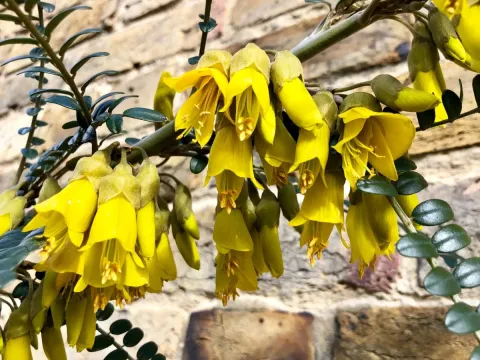
Sophora oligophylla
Sophora oligophylla
Sophora oligophylla is a perennial herbaceous plant belonging to the Fabaceae family. It is recognized for its extensive root system, which provides significant drought tolerance and stability in various environmental conditions.
What the section contains
Sophora oligophylla
The plant thrives in full sun exposure and is highly adaptable to various climatic zones, including regions with harsh winters. It is known for its ability to persist in diverse landscapes, demonstrating strong evolutionary traits for survival.
Soil requirements for Sophora oligophylla include well-drained, porous ground. It performs exceptionally well in sandy or loamy soils and exhibits notable salt tolerance, making it suitable for reclamation projects on degraded lands.
As a legume, it plays a vital role in soil enrichment through atmospheric nitrogen fixation. This process helps maintain soil health and reduces the necessity for synthetic fertilizers in intensive agricultural systems.
The primary agricultural utility of this plant lies in its restorative ecological properties. It is widely used to prevent soil erosion and is valued for its potential in medicinal, pharmacological, and industrial applications.
The primary pests affecting Sophora oligophylla include seed-feeding beetles and weevils that target the pods. Management strategies often involve selective insecticide application during the peak flowering stage.
Fungal pathogens such as root rot can become prevalent if soil moisture levels remain consistently high. Proper drainage management is essential to mitigate these risks in commercial farming operations.
Leaf spot diseases can significantly reduce the photosynthetic capacity of the plant. Maintaining adequate spacing between rows helps to improve airflow and reduce humidity around the foliage.
Weed infestation during the initial growth phases is a critical challenge. Mechanical weeding or careful cultivation practices are necessary until the plant establishes a dense canopy.
Regular field scouting is recommended to identify the onset of pathogens early. Implementing a diverse crop rotation cycle is the best defense against long-term accumulation of soil-borne diseases.