
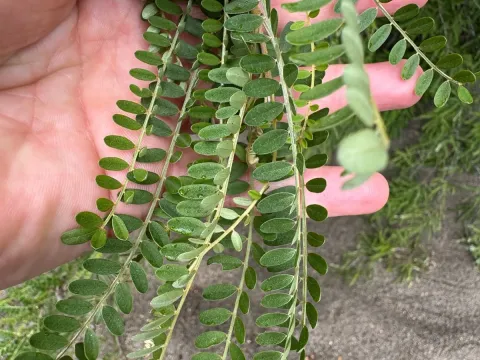
Sophora
Sophora L.
Sophora is a genus of trees, shrubs, and perennial herbs belonging to the Fabaceae (legume) family. The most significant agricultural species, Sophora japonica (Styphnolobium japonicum), is widely recognized for its medicinal value and its role as a decorative and soil-improving plant.
What the section contains


Sophora
The culture thrives in well-lit, sunny areas and exhibits remarkable drought resistance once established. It is highly adaptable, capable of tolerating urban pollution and various soil types, making it a sustainable choice for environmental restoration and landscaping projects.
Sophora prefers deep, fertile, well-drained soils, ideally with a neutral to slightly alkaline pH. As a legume, it contributes to soil health by fixing atmospheric nitrogen through a symbiotic relationship with beneficial soil bacteria, effectively enriching the substrate.
Climate tolerance varies by species, though many Sophoras require protection from severe frosts in their early stages of growth. Mature trees are more resilient, yet proper site selection is essential to prevent wind damage and ensure stable growth in temperate zones.
Effective management includes regular weeding around the base and consistent, though moderate, watering during the initial development years. Maintenance also involves pruning to encourage a healthy canopy structure and ensure easier access for future harvesting operations.
Pests affecting Sophora include sucking insects like aphids, scale insects, and spider mites. These pests typically attack young, tender foliage and stems, potentially reducing the plant's overall health and the quality of the harvested medicinal raw materials.
Fungal diseases, such as powdery mildew and various leaf spot pathogens, can proliferate in high-humidity environments with poor ventilation. Regular pruning and maintaining adequate space between trees are fundamental strategies to mitigate the risk of fungal spread.
Wood-boring beetles present a threat to compromised or older trees, as they can tunnel into the bark and stems. Monitoring the trunk and limbs for signs of infestation is crucial, as early intervention can prevent irreversible damage to the tree structure.
Root rot is often a consequence of waterlogged conditions, highlighting the importance of selecting sites with excellent soil drainage. Avoiding standing water is critical for long-term plantation health and preventing the decay of the root system.
Integrated Pest Management (IPM) strategies, which prioritize biological controls and minimal chemical usage, are highly recommended. These measures are essential to ensure the final product meets pharmaceutical quality standards and remains free of chemical residues.
The primary medicinal harvest consists of flower buds, which must be collected just before they open fully. This stage ensures the highest possible concentration of active compounds, such as rutin, which are highly valued in the pharmaceutical industry.
Harvesting is typically done manually to maintain the integrity of the delicate buds and prevent damage to the tree. Skilled labor or mechanical aids are used to carefully select the best material, ensuring that no woody debris is included in the final collection.
Post-harvest processing requires immediate drying in well-ventilated facilities or specialized industrial dryers. Maintaining a temperature range between 40-45 degrees Celsius is vital to preserve the stability of the plant's active chemical components.
Once dried, the raw material undergoes a cleaning process to remove any extraneous plant matter. The final, purified buds are then packaged in moisture-proof containers to maintain potency and prevent degradation during storage and transport.
Sophora pods (fruits) are also harvested once they have fully matured and hardened. These are collected and processed similarly to the flower buds, then stored in a cool, dry place to ensure long-term shelf stability for medicinal production.