
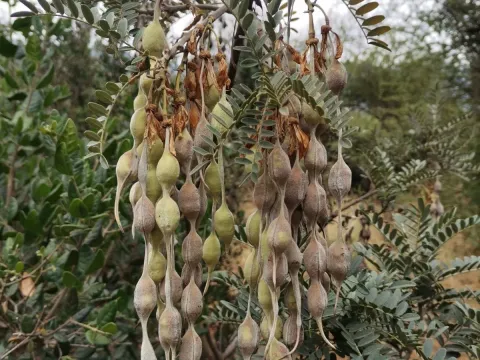
Sophora macrocarpa
Sophora macrocarpa
Sophora macrocarpa is an evergreen shrub or small tree belonging to the Fabaceae family. This species is native to central Chile, where it thrives in mild, Mediterranean-like climates with moderate annual rainfall and stable temperatures.
What the section contains
Sophora macrocarpa
Botanically, it is recognized for its thick, leathery leaves and characteristic yellow flowers. The plant usually grows to a moderate height, forming a dense canopy that makes it highly desirable for ornamental landscaping and garden structures.
Cultivation requires well-draining soil to prevent root rot. It performs best in fertile, slightly acidic to neutral soil compositions. Improving soil drainage is a critical step when planting in heavy clay or compacted soils to ensure long-term plant health.
Light exposure is a primary factor in the growth of this species. It requires full sun to partial shade, with exposure to direct sunlight encouraging better flowering density and foliage coloration throughout the growing season.
Regarding water management, regular irrigation is advised during the initial years of development. Once established, the plant demonstrates moderate resilience to dry spells, but supplemental watering during peak summer heat remains essential for maintaining its evergreen aesthetic.
Root pathogens represent the most significant threat to Sophora macrocarpa. These diseases are almost exclusively linked to waterlogged soil conditions, which inhibit aerobic respiration in the roots and lead to systemic decay.
Pest pressure often comes from common garden insects such as aphids. These pests typically cluster on new growth, extracting sap and weakening the plant's structural integrity if left unmanaged during the spring months.
Preventive care involves regular site monitoring and the removal of dead or crossing branches to improve airflow. Maintaining proper spacing in planting areas is essential to prevent the spread of humidity-related fungal issues.
Frost damage can be a concern for young specimens in climates slightly colder than their native range. Implementing protective measures, such as mulching around the root crown, helps insulate the plant against temperature fluctuations.
Nutrient deficiencies, specifically iron, may manifest as leaf chlorosis. If the soil pH rises above the optimal range, micro-element availability drops, requiring corrective fertilization to restore deep green leaf color.