
Sophora affinis
Sophora affinis
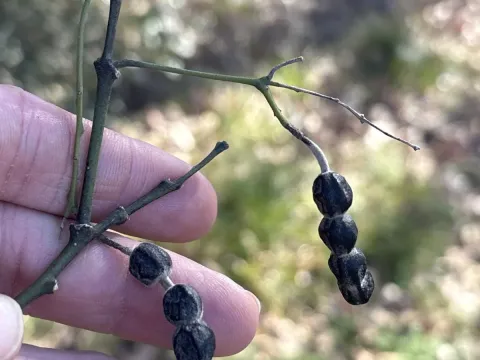
Sophora affinis, commonly known as Eve's necklace, belongs to the Fabaceae family. It is a deciduous tree native to the south-central United States, often valued for its ornamental pink flowers and attractive seed pods that resemble a string of beads.
What the section contains
Sophora affinis
This species thrives in full sun, which is essential for healthy development and dense foliage growth. While it exhibits tolerance to heat and occasional dry spells, consistent moisture during the establishment phase is crucial for long-term survival.
The tree performs best in well-drained, fertile soils ranging from slightly acidic to slightly alkaline pH levels. It is adaptable to various soil textures, including rocky or limestone-based soils, as long as there is no waterlogging which can stress the root system.
Agrotechnical maintenance focuses on structural pruning during the dormant season to improve airflow and crown shape. Young trees should be protected from harsh winds and extreme late-spring frosts that may damage the emerging buds and sensitive wood tissue.
Fertilization is generally light; a balanced slow-release fertilizer applied in early spring is usually sufficient to support annual growth. Mulching around the base helps regulate soil temperature and retain moisture during peak summer heat, promoting vigorous root development.
Root rot is the most significant threat to Sophora affinis, particularly in poorly drained soils where water accumulation creates anaerobic conditions. Ensuring proper drainage is the primary preventative measure against these fungal pathogens.
Pests such as aphids and scale insects may infest the leaves and stems, sucking plant sap and potentially weakening the tree. Integrated pest management strategies, including the introduction of beneficial predators, are recommended to maintain ecological balance.
Fungal leaf spots can occur during periods of high humidity, causing premature leaf drop. While usually not fatal, these infections should be managed by clearing fallen debris and pruning to allow better air circulation through the canopy.
Physical damage to the bark by equipment or animals can provide an entry point for wood-decaying fungi. Proper fencing or trunk guards are effective tools for protection, while any exposed wood should be kept clean to facilitate natural healing.
Monitoring for signs of stress, such as yellowing leaves or stunted growth, is key to timely intervention. A healthy, well-nourished tree is generally resistant to moderate pest pressure and minor environmental fluctuations throughout the growing season.