
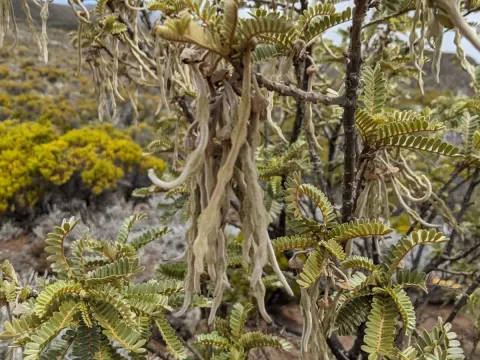
Sophora denudata
Sophora denudata
Sophora denudata is a perennial shrub or small tree belonging to the Fabaceae family. Known for its elegant structure, this plant serves as a significant ornamental species in modern landscaping and botanical collections.
What the section contains
Sophora denudata
The origin of this species is linked to temperate climates, which has shaped its biological resilience. It requires locations that provide ample sunlight to ensure optimal photosynthesis and flower development throughout the growing season.
Regarding soil preferences, the plant thrives in well-drained loamy or sandy substrates. It is essential to maintain a neutral or slightly alkaline pH to ensure the availability of nutrients and the health of the symbiotic root bacteria characteristic of legumes.
The agronomic management of Sophora denudata involves periodic irrigation, especially during the establishment phase. Proper fertilization with balanced macronutrients during spring promotes vigorous growth and enhances the overall plant health.
In landscape architecture, the plant is valued for its refined foliage and aesthetic appeal. It serves as an excellent choice for ornamental gardens, providing structure and seasonal beauty while adapting well to managed urban and rural environments.
Fungal diseases represent a primary threat, particularly in environments with poor air circulation or excessive moisture. Symptoms such as leaf spots or powdery mildew require immediate intervention to prevent the decline of the plant.
Insect pests, such as aphids and leaf-eating beetles, are common challenges for Sophora denudata. Integrated pest management strategies should be employed to mitigate these issues while preserving the ecological balance of the site.
Winter hardiness is a crucial factor for young specimens, which may require protective measures such as mulching or physical covering. Exposure to severe frost can damage thin stems and compromise the long-term vitality of the tree.
Pruning is a necessary maintenance task that improves air flow and removes dead or diseased wood. It is imperative to perform these operations with clean, sharp tools to avoid spreading pathogens through the plant tissues.
Monitoring the soil moisture levels is essential to prevent root rots. Avoiding waterlogged conditions ensures that the plant remains vigorous and capable of resisting typical agricultural pests and pathogens throughout the year.