
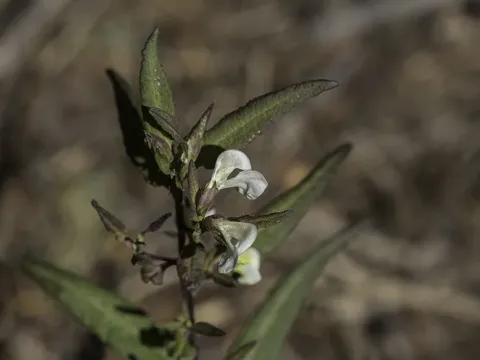
Sophora nuttalliana
Sophora nuttaliana
Sophora nuttalliana is a perennial herbaceous plant belonging to the Fabaceae family. Native to the North American prairies, this species has adapted to survive in challenging, arid environmental conditions.
What the section contains
Sophora nuttalliana
The plant is characterized by a deep and extensive root system, which allows it to thrive in nutrient-poor soils and withstand prolonged periods of drought, making it a robust candidate for restoration projects.
Optimal growth is achieved in well-drained sandy or loamy soils. It is highly sensitive to waterlogging, as excessive moisture often leads to root rot and inhibits the plant's natural metabolic processes.
Sophora nuttalliana requires full sun exposure to maintain its growth cycles. It does not perform well under dense shade, which can stunt its development and decrease its nitrogen-fixing efficiency.
As a legume, it plays a vital role in soil health by fixing atmospheric nitrogen, making it a valuable biological component in crop rotation and sustainable land management strategies.
Root rot is the most significant disease threat to this culture, primarily caused by fungal pathogens that thrive in poorly drained soils or areas with excessive rainfall during the growing season.
Insect pests, particularly leaf-chewing beetles and certain lepidopteran larvae, can cause extensive damage to the foliage, reducing the overall vigor and photosynthetic capacity of the plants.
Powdery mildew may occur in stagnant, humid air conditions. Maintaining proper plant density and ensuring adequate air circulation across the field are essential cultural control measures.
Seed-feeding insects pose a threat during the reproductive stage, potentially compromising the viability of future crop cycles if they are not managed through integrated pest control strategies.
Effective management against threats relies on monitoring the field for early symptoms of infestation and selecting appropriate, disease-resistant cultivars when establishing new plots.