
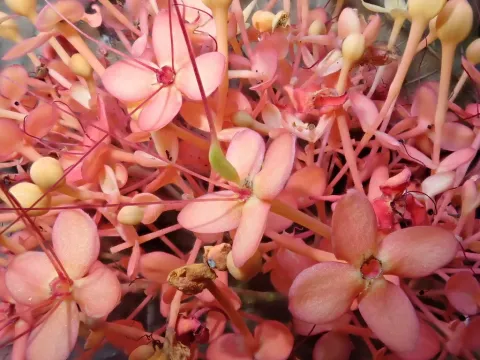
Saraca
Saraca L.
Saraca is a genus of evergreen trees belonging to the family Fabaceae. Native to the tropical regions of Southeast Asia and India, these trees are highly valued for their spectacular floral displays that appear directly on the woody branches.
What the section contains
Saraca
The plant requires a strictly tropical climate to thrive, characterized by high temperatures throughout the year and high relative humidity. It cannot survive frost, which limits its outdoor cultivation to tropical and subtropical zones.
Regarding soil requirements, Saraca prefers deep, fertile, and slightly acidic soils. Good drainage is essential, as the plant is susceptible to root damage when grown in waterlogged conditions for extended periods.
The cultural practices include providing partial shade for young plants, which helps protect the leaves from excessive transpiration and sunburn in harsh sunlight conditions.
In terms of agricultural and landscape usage, the genus is primarily managed as an ornamental specimen. Its ability to create dense, shaded areas makes it a popular choice for parks and botanical gardens in its native range.
The primary threats to Saraca are fungal pathogens that target the root system, often encouraged by poorly draining substrates and excessive watering patterns.
Insect pests such as scale insects and aphids frequently colonize the undersides of leaves and young shoots, draining sap and potentially introducing secondary viral infections.
Foliar diseases, including leaf spot, can occur during periods of prolonged high humidity and low air circulation, leading to premature defoliation of the tree.
Integrated pest management suggests that maintaining proper tree spacing is a key preventative measure to improve ventilation within the canopy and reduce disease pressure.
Regular monitoring and application of targeted biological treatments are recommended to ensure that pest outbreaks do not compromise the tree's health and aesthetic value.