
Scarlet trefoil
Lotus coccineus
Description
Sowing dates
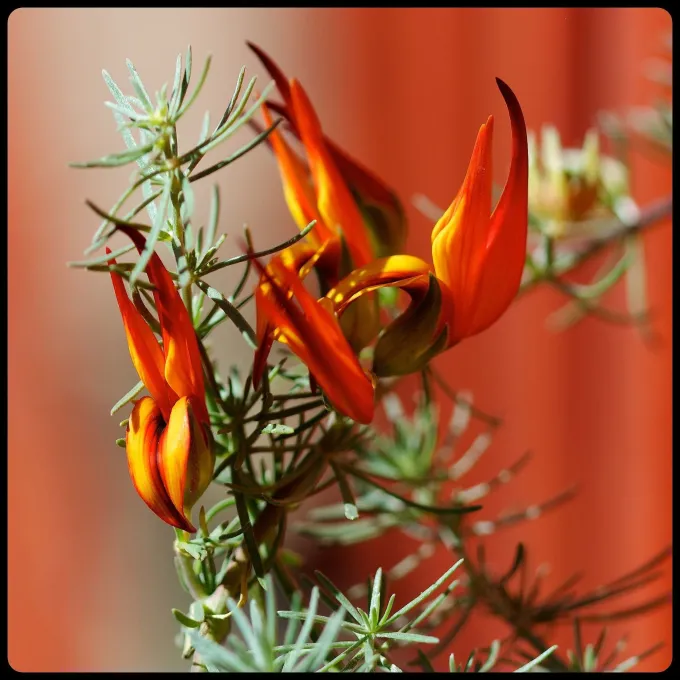
Scarlet trefoil (Lotus coccineus) is a perennial herbaceous plant belonging to the Fabaceae family. It is a robust crop known for its ecological adaptability and potential for use as both high-quality forage and a soil-improving agent in agricultural landscapes.
The sowing period is typically scheduled for early spring when soil moisture is at its peak. Optimal germination occurs at soil temperatures around 10–12°C, which ensures even emergence across the field and promotes vigorous early growth.
In regions with milder climates, winter sowing may be utilized to take advantage of early spring moisture. Seeds should be planted at a shallow depth of 1–2 cm to ensure proper germination, as deeper placement can hinder the emergence of smaller seeds.
Successful establishment requires a well-prepared seedbed and soil compaction post-sowing to ensure good seed-to-soil contact. Weed management during the establishment phase is critical, as Scarlet trefoil develops relatively slowly in its initial growth stages.
The seeding rate varies depending on specific site conditions and planting methods, averaging 10–12 kg/hectare. Utilizing high-quality, certified seeds is essential to ensure a dense and productive stand that can persist for several years.
Growing requirements
This crop exhibits moderate climate requirements and is known for its impressive drought tolerance and resilience to occasional waterlogging. It is versatile in its soil requirements, performing well on diverse soil textures from loams to sandy soils.
An optimal soil pH range for Scarlet trefoil is between 6.0 and 7.5, which facilitates efficient nutrient uptake. The plant also demonstrates a notable tolerance to slightly saline soils, where other forage legumes may struggle to yield effectively.
As a light-loving species, Scarlet trefoil thrives best in open areas with full sun exposure. It is characterized by excellent winter hardiness, making it a reliable perennial option across various temperate geographic zones and climates.
During the active growth season, regular moisture is beneficial, especially during the flowering and regrowth phases. The application of phosphorus and potassium fertilizers significantly enhances root development and overall biomass productivity.
Due to its symbiotic relationship with nitrogen-fixing bacteria, the plant naturally enriches the soil with nitrogen. This makes Scarlet trefoil an invaluable component in crop rotation schemes aimed at restoring soil health and fertility.
Main diseases and pests
Scarlet trefoil is naturally hardy, though excessive soil moisture can predispose the stand to root rots. Effective drainage management and choosing appropriate sites are the best preventive measures to mitigate fungal risks.
Major pests include various species of weevils that can damage reproductive organs and reduce seed yields. During hot and dry spells, localized aphid infestations may occur, potentially stressing young plant shoots if left unmonitored.
Preventive strategies involve rigorous crop rotation and timely mowing of the stand. Regular harvesting interrupts the life cycles of most common pests and pathogens, maintaining the overall health and vigor of the forage crop.
Chemical control should be used sparingly and only as a final resort, following all local agricultural safety guidelines. Emphasis is placed on integrated pest management (IPM) to preserve the biodiversity of the agroecosystem.
Frequent field monitoring allows for early detection of potential threats, facilitating quick intervention when necessary. Maintaining a balanced nutritional status ensures that the plants remain resistant to stressors and maintain high performance throughout the season.