
Pseudarthria
Pseudarthria
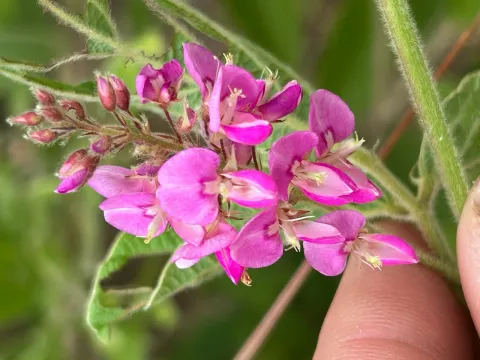
Pseudarthria is a genus of perennial plants belonging to the Fabaceae family. It is widely recognized for its ecological importance and utility as a forage crop in tropical and subtropical regions of Africa and Asia.
What the section contains


Pseudarthria
The plant thrives in well-drained soils, showing a strong preference for loam or sandy-loam types. It is highly valued for its ability to withstand prolonged dry spells, making it a resilient component of agricultural systems.
Climate requirements for Pseudarthria include consistent warmth, as the plant is strictly tropical and cannot survive frost. Optimal growth is achieved in regions with high solar radiation and adequate, though sometimes sporadic, rainfall.
Agronomic management involves preparing a clean seedbed to minimize early competition from weeds. Since the crop develops slowly in the initial weeks, ensuring uniform plant establishment is the primary goal for farmers.
Beyond forage, Pseudarthria serves as a vital cover crop that improves soil health. Its ability to fix atmospheric nitrogen makes it a sustainable choice for restoring nutrients in depleted agricultural lands.
Root rots are the most common pathological threats to Pseudarthria, often occurring when soils remain waterlogged for extended periods. Proper drainage management is critical to preventing these infections.
Pests, particularly various beetles and lepidopteran larvae, can cause significant defoliation. These insects reduce the total biomass and can negatively affect the plant's vigor if infestations are not controlled.
Nematode infestations may occur in specific soil types, causing galling on roots. This interferes with nutrient uptake and drastically impacts the survival rate of the plants under stress conditions.
To manage threats, farmers should implement a structured crop rotation program. Rotating Pseudarthria with non-leguminous crops helps break the lifecycle of specific soil-borne pathogens and pests.
Integrated pest management (IPM) practices, including the use of resistant varieties and encouraging beneficial insect populations, are recommended to maintain high forage yields and crop longevity.