
Pithecellobium pachypus
Pithecellobium pachypus
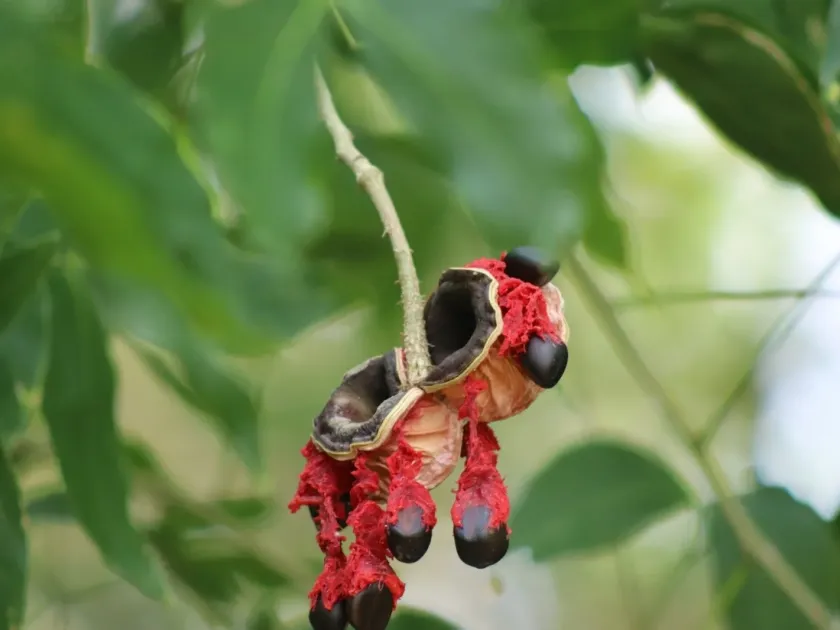
Description
Sowing dates
Pithecellobium pachypus is a notable species within the Fabaceae family, recognized for its robust woody structure and typical legume morphology. It thrives in tropical climates and is increasingly used in agroforestry projects for its rapid growth rate and soil-improving properties.
The sowing process begins with seed preparation, which involves scarifying the tough seed coat. This mechanical or chemical intervention is essential to ensure uniform water uptake and accelerate germination, which otherwise could be slow and uneven.
Seeds are sown in a nutrient-rich, well-draining substrate at a depth of 2–3 centimeters. A soil temperature of approximately 25–28 degrees Celsius is considered optimal to support the development of the primary root and initial seedling shoot.
During the nursery stage, seedlings require careful moisture management. Overwatering must be avoided, as it can lead to seedling damping-off, a common issue in tropical nursery settings. Consistent but moderate watering is the key to healthy establishment.
Transplanting the saplings to their permanent site should be carried out when they have reached a height of about 50 centimeters. Protecting young trees from direct, harsh winds and competing weeds is crucial during the first year of field establishment.
Growing requirements
This species is highly adapted to tropical regions with high temperature requirements and prefers consistent warmth year-round. It is sensitive to frost, which limits its commercial cultivation range to equatorial or subtropical frost-free zones.
Soil quality is paramount for Pithecellobium pachypus. While it can adapt to various soil types, deep, well-draining sandy loam is ideal. Poor drainage is the primary enemy of this species, as it rapidly promotes anaerobic conditions detrimental to root health.
Adequate sunlight is necessary for the tree's vigorous development. Although young specimens may tolerate partial shade in their early stages, full sun exposure is required for mature trees to produce high-quality timber and reach their full potential height.
Watering frequency should be adjusted according to the local dry and wet seasons. While mature trees are somewhat drought-tolerant, supplemental irrigation during prolonged dry periods can significantly boost biomass production and overall tree health.
Fertilization with balanced NPK formulas, particularly those with higher phosphorus and potassium content, helps to support strong root systems and stem development. Regular monitoring of leaf color and growth rate can guide fertilization needs.
Yield
The primary economic value of Pithecellobium pachypus lies in its timber, which is appreciated for its density and durability. It is a favored choice in silviculture due to its ability to produce significant biomass within a relatively short rotation cycle.
As a legume, the species acts as a nitrogen fixer, enhancing the fertility of the surrounding soil. This makes it an excellent candidate for intercropping systems, as it can reduce the need for synthetic nitrogen fertilizers for adjacent crops.
Foliage and succulent branch tips can serve as fodder for livestock. This provides an additional revenue stream or cost-saving measure for farmers managing agroforestry plots, especially during seasons when grazing resources are scarce.
Crop yields are significantly enhanced by proper pruning and thinning practices. Removing lateral branches encourages apical dominance, resulting in taller, straighter trunks that are more valuable for industrial wood processing.
The overall productivity of the plantation depends on the density of the initial planting. Proper spacing ensures that every tree receives adequate light, water, and nutrients, maximizing the long-term output of wood and carbon sequestration.
Main diseases and pests
Fungal leaf spot diseases represent a major threat to the foliage, particularly in humid, poorly ventilated stands. These diseases can cause premature defoliation, which reduces the photosynthetic capacity of the tree and stunts its growth.
Insect pests such as leaf-eating caterpillars and certain boring beetles are common adversaries. These pests can damage both the young leaves and the mature bark, providing entry points for secondary bacterial or fungal pathogens.
Management of these threats includes integrated pest management (IPM) strategies, such as using pheromone traps and biological control agents. Chemical interventions should be used sparingly to avoid harming local pollinators and beneficial insects.
Root-knot nematodes can also be a hidden threat, especially in soils that have been over-cultivated. Rotating the site with non-host crops and maintaining soil health with organic amendments can effectively suppress nematode populations.
Frequent field inspections are essential to catch infestations early. Maintaining a clean plantation environment, free of debris and rotting wood, is the best preventive measure against pest and disease outbreaks.
Harvesting
Harvesting seeds for nursery use occurs when the pods reach full maturity and start to naturally crack open. Collectors must act quickly or use protective netting to catch the seeds before they fall and are lost to the forest floor.
Timber harvest involves selecting mature trees that have reached the desired diameter for industrial use. Selective harvesting is preferred over clear-cutting, as it promotes natural forest regeneration and maintains the stability of the soil structure.
After the seeds are harvested, they undergo a drying process in a shaded, well-ventilated area. This lowers the moisture content, which is necessary to prevent spoilage during long-term storage and to maintain germination viability.
Proper seed storage requires cool, dry conditions, preferably in sealed containers to protect against humidity and insects. Seeds handled with care in this manner can retain their vigor for several planting seasons.
By-products from harvesting, such as branches and twigs that are not suitable for timber, should be mulched and returned to the soil. This practice helps recycle nutrients and maintains the soil's long-term fertility for future plantation cycles.