
Pithecellobium foliolosum
Pithecellobium foliolosum
Description
Growing requirements
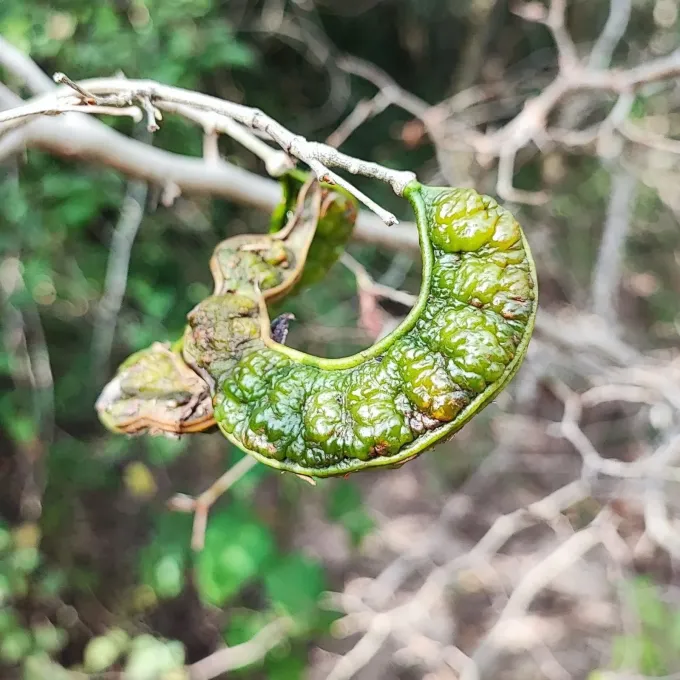
Pithecellobium foliolosum is a significant member of the Fabaceae (legume) family, native to tropical regions of South America. This tree species is primarily recognized for its environmental adaptation to humid forest ecosystems and its role in sustainable land management.
The species thrives in well-drained, fertile soil compositions. It requires a balanced soil structure that facilitates root expansion while preventing the accumulation of excess moisture, which can be detrimental to its sensitive root system.
Climate requirements involve consistent warmth, as the plant does not tolerate freezing temperatures. The ideal growing environment is characterized by stable tropical temperatures ranging from 22 to 30 degrees Celsius, accompanied by high atmospheric humidity.
Agronomic management focuses on the species' natural ability to fix atmospheric nitrogen. By fostering symbiotic relationships with rhizobia bacteria, Pithecellobium foliolosum contributes to soil enrichment, making it a valuable candidate for mixed agroforestry systems.
The primary agricultural and economic use centers on wood production and soil stabilization. Its dense canopy and deep root system make it an effective tool for preventing soil erosion in tropical climates where heavy rainfall is frequent.
Main diseases and pests
The main pathological concerns for this crop involve fungal pathogens that affect the root collar and foliage during prolonged wet seasons. Proper spacing between trees is crucial to ensure adequate airflow, which is a primary defense mechanism against mildew and rot.
Common pests include various defoliators and sap-sucking insects, such as aphids and scale insects. Implementing an integrated pest management (IPM) strategy, which includes monitoring and the use of natural predators, is essential for maintaining healthy tree stands.