
Pithecellobium lanceolatum
Pithecellobium lanceolatum
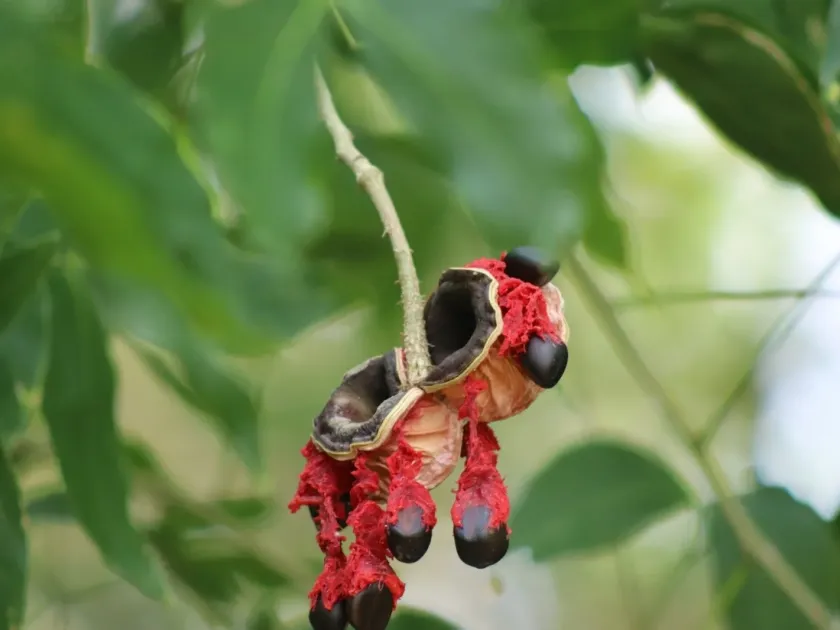
Description
Growing requirements
Pithecellobium lanceolatum is a member of the Fabaceae family, native to tropical regions in the Americas, and is recognized for its hardiness.
The crop thrives in well-drained soils and shows remarkable tolerance to poor soil quality, often succeeding in areas where other species fail.
It requires a tropical climate with consistent temperatures, as the plant is highly sensitive to frost and cannot survive in colder latitudes.
Water requirements are moderate, with the plant being well-adapted to surviving extended drought periods, which is a major agricultural advantage.
In terms of soil maintenance, the species provides excellent nitrogen-fixing capabilities, improving the fertility of the surrounding ecosystem.
Harvesting
The wood of Pithecellobium lanceolatum is highly valued for its physical strength and natural resistance to decay, making it suitable for rural construction.
Leaves and pods are frequently harvested and utilized as supplementary livestock feed during seasons when forage is naturally scarce.
Beyond timber, the plant is widely used in agroforestry practices to create living fences that serve as both windbreaks and soil stabilizers.
Sustainable harvesting involves periodic pruning, which encourages dense regrowth and provides a recurring source of biomass for various agricultural needs.
- Durable construction timber
- Livestock fodder
- Soil nitrogen management