
Pithecellobium filamentosum
Pithecellobium filamentosum
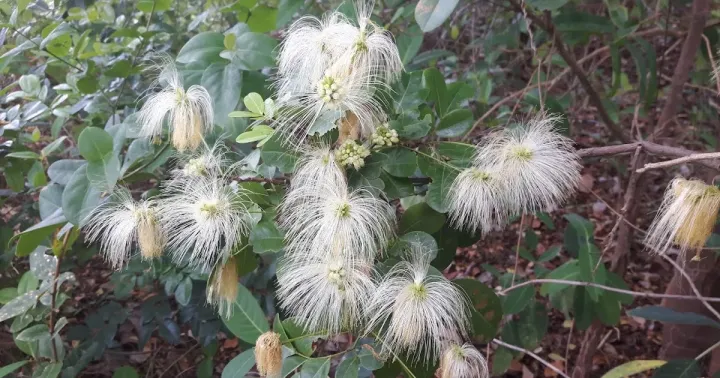
Description
Growing requirements
Pithecellobium filamentosum is a tree species belonging to the Fabaceae family, primarily native to the tropical ecosystems of South America. It is recognized for its significant role in agroforestry and the production of durable timber, which is highly valued for various industrial applications.
The crop requires fertile, well-drained soils to thrive and reach its full growth potential. It is sensitive to waterlogging, thus necessitating sites with effective drainage to prevent root hypoxia and subsequent fungal decay. Optimal pH levels for this species typically range between 6.0 and 7.5.
Environmental conditions are crucial for the development of Pithecellobium filamentosum, as it requires consistent warm temperatures throughout the year. Frost sensitivity limits its geographic cultivation range to tropical and equatorial regions where the thermal regime remains above the critical minimum.
Sunlight exposure is a major factor in the silvicultural management of this species. It is a light-demanding plant, and competitive pressure from weeds or overly dense planting can severely inhibit its vegetative growth during the first few years of establishment.
Agricultural practices involve maintaining soil health through the incorporation of organic matter, which complements the tree's natural nitrogen-fixing capabilities. By promoting beneficial soil microflora, cultivators can improve the overall productivity of the plantation site.
Main diseases and pests
Fungal diseases, particularly leaf spot and anthracnose, represent the primary phytopathological challenge in humid tropical environments. Pruning and site selection are critical practices to ensure adequate air circulation and reduce pathogen spread.
Various pests, including lepidopteran larvae and aphids, often target the tender shoots and foliage of young seedlings. Integrated pest management strategies, focusing on biological controls, are preferred to maintain the ecological balance of the plantation.
Root-knot nematodes can cause substantial economic losses in sandy soil conditions. Growers are advised to apply soil amendments and ensure proper plant spacing to minimize the stress that increases susceptibility to nematode infestations.
Fusarium wilt is another potential threat that requires careful irrigation management. Preventing water accumulation at the base of the tree is the most effective preventative measure against soil-borne pathogens.
Maintaining high standards of crop health through regular monitoring and appropriate sanitation protocols is essential for the sustainable production of timber and biomass in large-scale operations.