
Texas ebony
Pithecellobium flexicaule
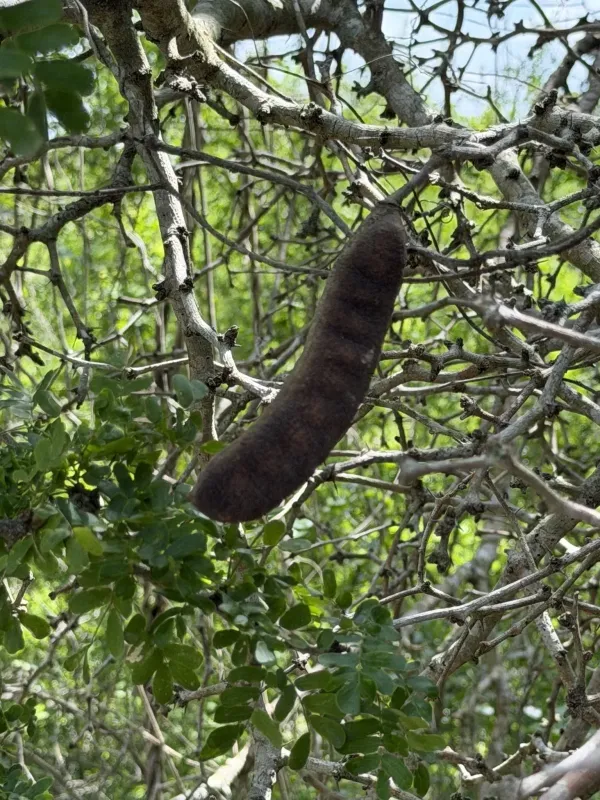
Description
Growing requirements
Texas ebony, scientifically known as Pithecellobium flexicaule, is a dense, evergreen legume tree native to the arid regions of South Texas and Northeastern Mexico. It is highly valued for its extreme hardiness and aesthetic qualities.
The tree thrives in full sun exposure and is exceptionally well-suited for xeriscaping. It prefers calcareous, well-drained soils, showing a remarkable ability to survive in rocky or alkaline ground where other species might fail.
Water requirements for this species are low once the plant is established. It is drought-tolerant, but during the initial growth phase, consistent but careful irrigation is essential to support root development.
Regarding climate, this tree is sensitive to prolonged hard freezes. While mature specimens can endure occasional light frost, young trees benefit significantly from thermal protection during exceptionally cold weather cycles.
Cultural maintenance involves minimal pruning to maintain the tree's natural structure. Due to its slow growth rate, the plant requires patience, but it rewards growers with high wood density and long-term durability.
Main diseases and pests
Pithecellobium flexicaule is generally considered a low-maintenance tree with few natural enemies. The most significant threat is root rot, which occurs primarily when the soil remains waterlogged for extended periods.
Insect pests such as scale insects or aphids may occasionally appear on tender new growth. In most garden environments, natural predators control these populations without the need for chemical intervention.
Fungal issues are rare but can occur if the canopy lacks sufficient airflow. Proper spacing between trees is recommended to promote good circulation and minimize humidity buildup during the wet season.
Bark protection is essential, as the wood is vulnerable to pathogen entry if physical damage occurs. Careful use of gardening tools around the base of the tree is a necessary precaution.
Regular monitoring of the foliage ensures early detection of any health issues. Maintaining a clean area beneath the tree helps prevent the accumulation of pathogens that could affect the tree's overall vigor.