
Platymiscium yucatanum
Platymiscium yucatanum
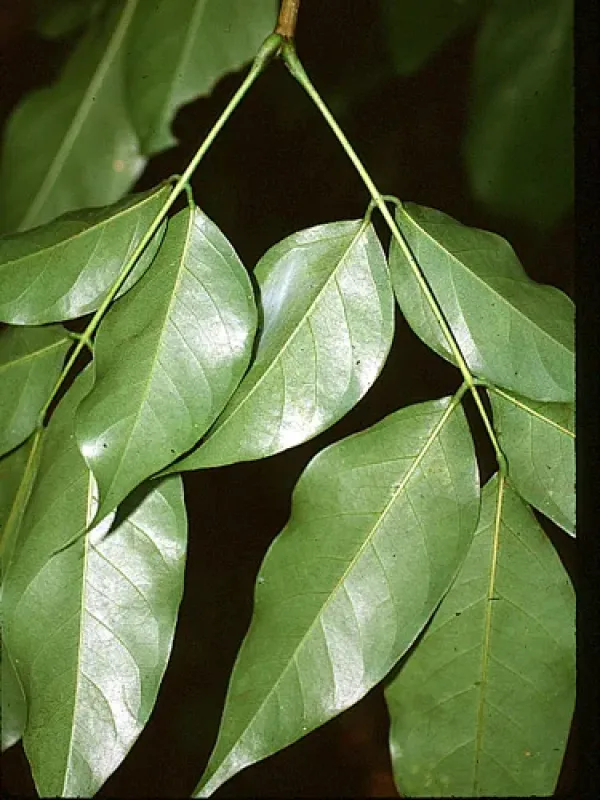
Description
Sowing dates
Platymiscium yucatanum is a significant tree species from the Fabaceae family that requires specific propagation methods for successful cultivation.
Seeds are typically sown at the start of the rainy season to ensure sufficient moisture for the initial stages of seedling development.
Seed germination is enhanced by pre-sowing treatments like scarification, which helps the moisture penetrate the tough outer layer of the seed.
In nursery conditions, seedlings are raised for several months until they develop a robust root system and reach the appropriate height for field transplanting.
Proper plant spacing is essential during the initial phase to ensure that each individual has enough space for canopy development as it matures.
Growing requirements
The tree thrives in well-drained soils, preferring nutrient-rich environments that support steady growth and strong tree structure.
As a sun-loving species, it requires locations with significant direct exposure to sunlight, avoiding sites with heavy canopy competition.
Ideal climatic conditions involve a distinct cycle of wet and dry seasons, which is common in its natural range across the Yucatan region.
Soil acidity levels should be monitored to ensure they remain within the optimal range for leguminous tropical species to thrive.
Consistent management of the water regime is necessary in the early years to promote deep rooting and improve resilience against potential drought.
Yield
The economic value of this culture lies primarily in its dense, highly prized wood, often utilized in high-end cabinetry and instrument manufacturing.
Production cycles are long-term, generally spanning several decades, reflecting the nature of slow-growing, high-quality timber species.
Harvesting involves selective logging techniques that prioritize the maturity of the wood, ensuring the best color and hardness characteristics.
The timber is sought after for its durability and aesthetic appeal, making it a sustainable choice for premium woodworking applications.
Economic yields are optimized through systematic thinning and pruning, which improve the straightness of the bole and the overall quality of logs.
Main diseases and pests
Management of pests, particularly boring insects that attack the bark and sapwood, is crucial for maintaining the health of the plantation.
Pathogenic fungi can pose a risk if the soil remains waterlogged or if the plantation lacks proper air circulation and site sanitation.
Weed management during the early establishment phase is vital, as excessive competition for nutrients can severely stunt the growth of young trees.
Environmental monitoring is required to detect early signs of stress that could lead to susceptibility to diseases or infestations.
Sustainable pest control practices, including the use of targeted biological interventions, are recommended to maintain ecological balance in the field.