
Pithecellobium albicans
Pithecellobium albicans
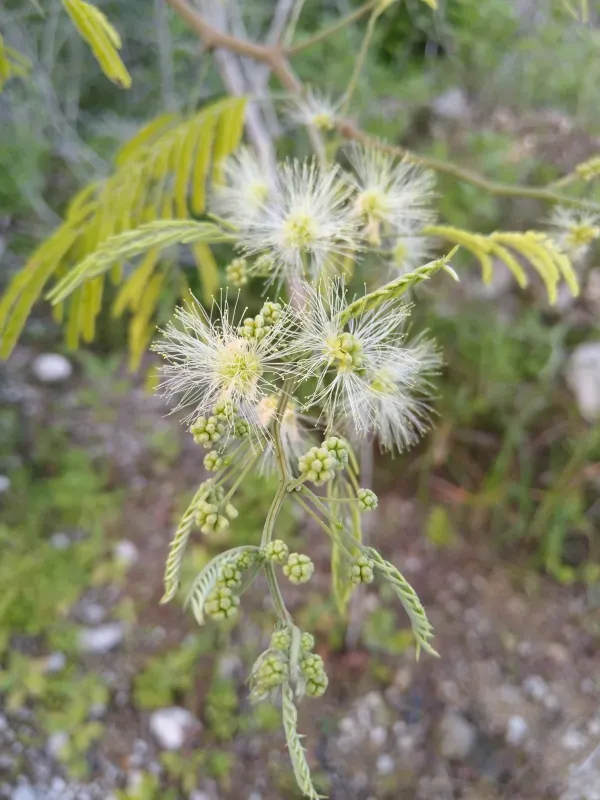
Description
Growing requirements
Pithecellobium albicans is a notable member of the Fabaceae (Legume) family, widely recognized for its robust growth patterns and ecological versatility in tropical environments. This tree is a vital component of forest successions within its native range.
Originating from the tropical landscapes of the Americas, this species thrives in climates characterized by warm temperatures and specific rainfall patterns. It demonstrates a high capacity to occupy degraded lands and contributes significantly to ecological restoration efforts.
The agronomic requirements for this crop focus on well-drained soils, as the species is sensitive to waterlogged conditions. It prefers sunny locations where its rapid growth can be fully realized through efficient photosynthesis and nutrient uptake.
One of the most important biological traits of this tree is its symbiotic relationship with rhizobia bacteria, enabling atmospheric nitrogen fixation. This process naturally increases soil fertility, making it an excellent companion for other agricultural crops in intercropping systems.
Economically, the species is valued for its high-quality timber, which serves various artisanal and construction purposes. Beyond timber, its canopy provides essential shade in agroforestry systems, protecting sensitive crops from intense solar radiation.
Main diseases and pests
Fungal diseases affecting the root system represent a significant threat to the health of the plantation, especially when drainage is insufficient. Careful soil management is required to prevent the accumulation of excess moisture around the base of the tree.
Boring insects and wood-destroying beetles are common pests that target the trunks of maturing trees. These insects can compromise the integrity of the wood and reduce the overall timber value of the crop if left unchecked.
Defoliating larvae may cause damage during peak seasons, significantly reducing the tree's vigor. Monitoring for signs of infestation in the foliage is a critical practice for maintaining optimal plant growth and health.
Effective management strategies involve regular site inspections to detect early signs of pest activity or disease development. Maintaining an appropriate spacing between individual trees facilitates better air circulation and reduces the probability of disease transmission.
Sustainable pest control methods, including the preservation of natural predators and the removal of severely affected parts, are encouraged to keep the agricultural system balanced and productive throughout the rotation cycle.