
Phanera
Phanera
Phanera is a diverse genus of woody plants, shrubs, and climbers belonging to the Fabaceae (legume) family. These plants are scientifically recognized for their unique bilobed leaves and showy flowers, which make them highly sought after in both botanical collections and specialized agricultural sectors.
What the section contains
 Phanera audax
Phanera audax
Phanera audax
 Phanera aureifolia
Phanera aureifolia
Phanera aureifolia
 Phanera bidentata
Phanera bidentata
Phanera bidentata
 Phanera integrifolia
Phanera integrifolia
Phanera integrifolia
 Phanera kockiana
Phanera kockiana
Phanera kockiana
 Phanera macrostachya
Phanera macrostachya
Phanera macrostachya
 Phanera ornata
Phanera ornata
Phanera ornata
 Phanera retusa
Phanera retusa
Phanera retusa
 Phanera scandens
Phanera scandens
Phanera scandens
 Phanera semibifida
Phanera semibifida
Phanera semibifida
 Phanera vahlii
Phanera vahlii
Phanera vahlii
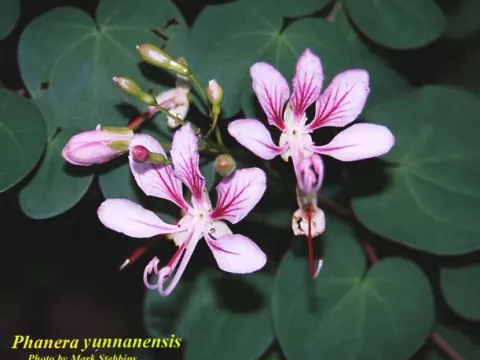
 Phanera yunnanensis
Phanera yunnanensis
Phanera yunnanensis
Phanera
Originally from tropical and subtropical regions across the globe, Phanera requires specific environmental conditions to thrive. The ideal climate is humid and warm, mimicking their native forest habitats where temperatures remain consistently above 20 degrees Celsius throughout the year.
Regarding soil requirements, these plants perform best in well-draining, slightly acidic to neutral substrates. Incorporating organic matter into the soil is essential to ensure a steady supply of nutrients, which supports vigorous growth and robust floral production during the season.
Cultivation practices involve regular pruning to manage the size and shape of the plants, particularly for climbing species. Training the stems to trellis supports is a standard procedure that maximizes sunlight exposure and improves airflow throughout the canopy.
In terms of agricultural utility, Phanera is often researched for its nitrogen-fixing capabilities, which enhance soil fertility. Furthermore, various species are valued for their ornamental properties and potential use in traditional agroforestry systems within tropical zones.
Fungal diseases are a primary concern for Phanera, particularly powdery mildew which thrives in stagnant, humid air. Maintaining proper plant spacing is a critical agronomic practice to encourage air circulation and reduce the risk of outbreaks.
Insect pests, including aphids and spider mites, pose a significant risk by damaging the foliage and draining the plant's resources. Integrated pest management strategies, such as the use of biological control agents, are recommended for sustainable production.
Root rot, often caused by excessive irrigation or poor drainage, remains the most devastating threat to healthy growth. Agronomists emphasize the importance of monitoring soil moisture levels to prevent the onset of these anaerobic conditions.
Nutrient deficiencies, particularly regarding trace elements like iron, can lead to leaf chlorosis. This is effectively addressed through timely applications of foliar fertilizers containing chelated nutrients to ensure rapid absorption by the plant tissues.
Physical damage during harvest or maintenance can serve as an entry point for secondary bacterial infections. Implementing strict sanitation protocols for all pruning tools is essential to maintain the overall health and productivity of the crop.