
Phanera bidentata
Phanera bidentata
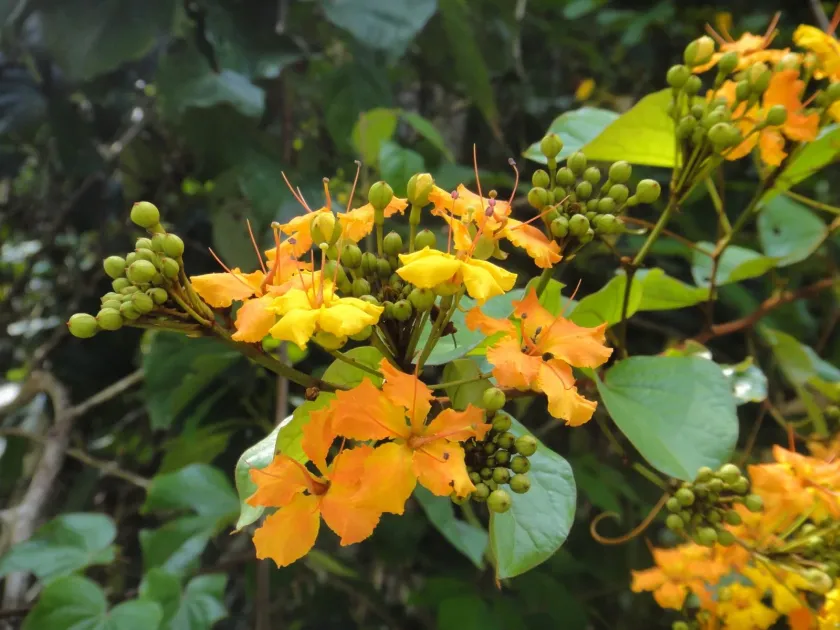
Description
Growing requirements
Phanera bidentata belongs to the Fabaceae family and is recognized as a vigorous woody vine species native to the tropical forests of Southeast Asia.
The plant thrives in warm, humid tropical environments and requires protection from harsh, dry winds that can rapidly dehydrate its foliage during early growth stages.
Optimal soil conditions for this vine involve well-drained substrates rich in organic matter, maintaining a slightly acidic pH to support efficient nutrient uptake.
Botanically, it is known for its distinct bifid leaves and its ability to utilize specialized tendrils to climb and spread effectively within its natural habitat.
In various agricultural and ornamental contexts, this culture is valued for its rapid growth rate, which can be managed through structured pruning and training techniques.
Main diseases and pests
Common threats to Phanera bidentata include root rot diseases, primarily triggered by waterlogged conditions that occur in poorly drained growing sites.
Pests such as spider mites and aphids are frequently observed, especially when environmental humidity levels drop below the optimal threshold for the species.
Powdery mildew represents a significant fungal threat, characterized by a white, dusty appearance on the leaves which restricts photosynthesis and stunts development.
Management involves implementing strict hygiene protocols, such as removing affected plant material immediately to prevent the spread of fungal spores or insect larvae.
The use of integrated pest management strategies, including the introduction of natural predators or targeted organic sprays, is recommended for sustainable production.