
Physostigma
Physostigma
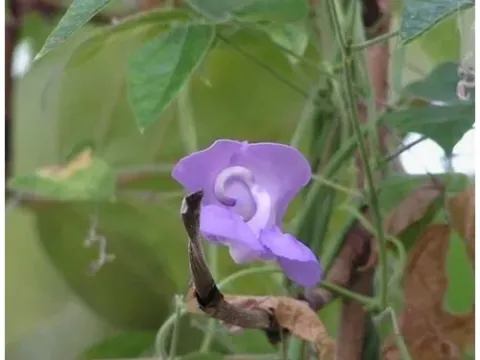
Physostigma (Physostigma venenosum), commonly known as the Calabar bean, is a perennial woody climber belonging to the Fabaceae family. It is native to the tropical forests of West Africa, where it thrives in moist, shaded environments.
What the section contains

Physostigma
The plant requires a tropical climate with consistent temperatures and high humidity to complete its life cycle. It is highly sensitive to frost and does not tolerate temperature fluctuations typical of temperate zones.
Ideal soil conditions include deep, nutrient-rich, and well-draining loams. Because of its climbing habit, the crop must be provided with sturdy physical supports, such as trellises or existing trees, to maintain productivity.
Agronomic management involves careful selection of planting sites that provide protection from strong winds, which can damage the long, flexible stems of the plant.
The primary agricultural interest in this crop lies in its seeds, which serve as a natural source of physostigmine, a potent alkaloid used in modern medicine to treat various neurological and ophthalmological conditions.
Fungal diseases are the primary threat to the crop, particularly root rots and leaf spots which proliferate in the humid, low-air-circulation environment where the plants are grown.
Pests such as seed weevils and various coleopteran insects can significantly degrade the quality of the harvested pods if an integrated pest management strategy is not implemented.
Weed competition is particularly critical during the establishment phase, as the young climbing vines grow relatively slowly and are easily suppressed by vigorous ground cover.
Due to the high toxicity of the plant material, harvesting and processing require stringent safety protocols to prevent accidental poisoning among agricultural workers.
Soil-borne pathogens and nematodes often pose a significant risk in monoculture systems, necessitating appropriate crop rotation or soil sterilization measures.