
Phanera vahlii
Phanera vahlii
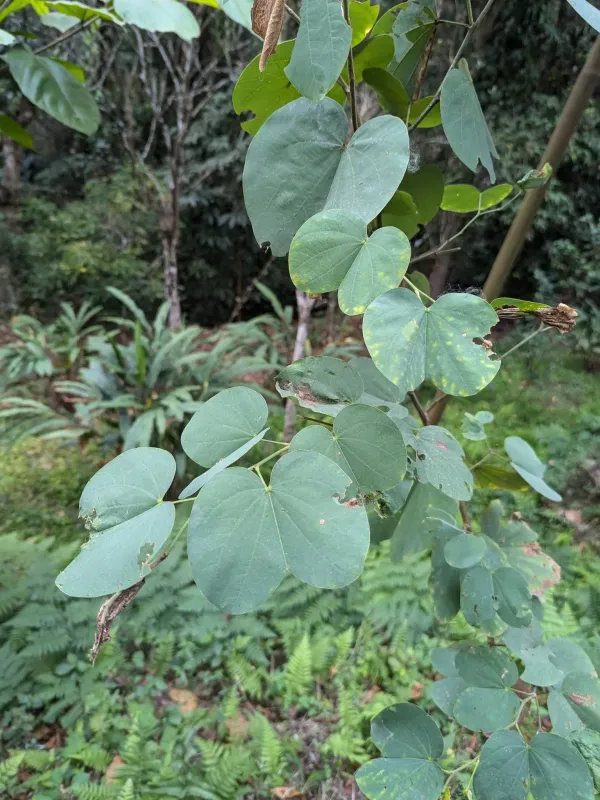
Description
Growing requirements
Phanera vahlii, formerly known as Bauhinia vahlii, is a massive woody climber belonging to the Fabaceae family. Native to the Indian subcontinent, this plant is a prominent feature of tropical and subtropical forest ecosystems, extending from the Himalayan foothills to central and southern India.
The plant thrives in warm, humid climates with well-defined monsoon seasons. It is remarkably versatile regarding soil types but shows optimal growth performance on well-drained, nutrient-rich soils. Abundant sunlight is a key requirement for its rapid vegetative development during the early stages of maturity.
Botanically, it is characterized by large, bilobed leaves that are iconic for the genus. The plant utilizes woody tendrils to anchor itself to host trees, reaching impressive heights. Its flowers are distinct and fragrant, playing a crucial ecological role in supporting local pollinator populations.
In terms of agricultural management, providing structural support is essential for commercial cultivation. Whether planted in orchards or agroforestry systems, the density of support structures determines the overall biomass yield of both leaves and fiber-producing bark stems.
The economic value of Phanera vahlii is extensive. Its broad leaves are famously used to produce biodegradable disposable tableware, such as plates and bowls. Furthermore, the strong fibers extracted from the bark are essential for local rope-making, and the seeds serve as a protein-rich food source.
Main diseases and pests
Phanera vahlii is susceptible to various fungal pathogens when cultivated in overcrowded conditions with poor aeration. Over-moist soil environments are particularly dangerous, as they facilitate root decay and create conditions conducive to plant mortality.
Insect pests, including wood-boring beetles and lepidopteran larvae, pose significant threats by compromising the structural integrity of the stems and reducing leaf quality. Effective mitigation involves routine thinning and maintenance of the forest canopy to improve airflow and solar exposure.