
Phanera yunnanensis
Phanera yunnanensis
Description
Growing requirements
Phanera yunnanensis is a perennial woody climber belonging to the family Fabaceae. This plant species is native to the Yunnan province in China and neighboring regions, typically thriving in humid, mountainous subtropical forest environments where it can climb toward the canopy.
The plant requires well-draining, nutrient-rich soil to achieve optimal development. In an agricultural or horticultural setting, the substrate should maintain a balanced pH level and possess sufficient porosity to prevent root suffocation, which is a common issue for this species.
Climate-wise, this species demands warm temperatures and high humidity levels. It is not frost-tolerant and requires consistent care to mimic its natural tropical habitat, including protection from direct, scorching sun which can damage the sensitive leaves.
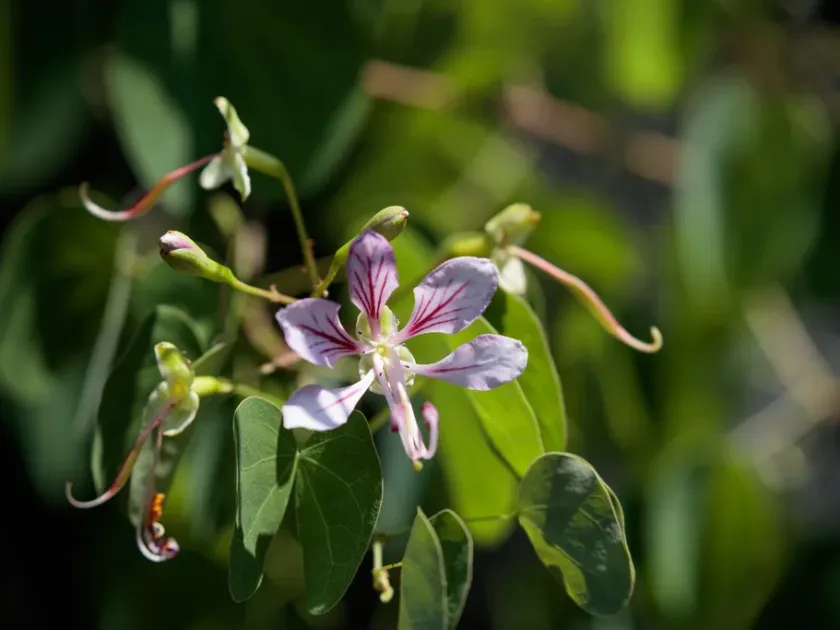
Botanically, it is recognized by its characteristic bilobed leaves and striking flowers. The plant exhibits rapid vegetative growth during the warm season, necessitating the installation of sturdy trellises or supports to facilitate its vertical growth habit and ensure proper plant architecture.
Economic and utility applications are focused primarily on ornamental use. Due to its aesthetic flowers and foliage, it is favored in conservatory settings and specialized botanical landscapes. Some studies explore the potential medicinal properties of its phytochemical compounds.
Main diseases and pests
The primary threats to Phanera yunnanensis are fungal infections triggered by excessive moisture and poor air circulation. Root rot is a significant risk, which can be mitigated by ensuring a dry-out period for the potting medium between irrigation events.
Common pests include spider mites and mealybugs, which thrive in indoor environments with limited airflow. These pests can rapidly colonize the plant, leading to stunted growth and damage to the ornamental foliage if left untreated.
Integrated pest management strategies, including the use of neem oil or insecticidal soaps, are recommended for controlling infestations without harming the plant's delicate tissues. Regular monitoring is essential for identifying early warning signs of pest activity.
Powdery mildew can become a concern when humidity levels are not properly managed. Increasing ventilation around the plant and applying appropriate fungicides can prevent the rapid spread of this fungal disease throughout the canopy of the vine.
To ensure long-term health, regular pruning of dead or diseased biomass is required. By maintaining high sanitation standards and providing a stable environment, growers can minimize these biological threats and maintain the ornamental value of the culture.